No products in the cart.
From Earth to Kitchen: How Al-Farooq Pottery Makes Its Clay Cookware
There is something special about cooking in clay. It is not simply about placing a handi on the stove or
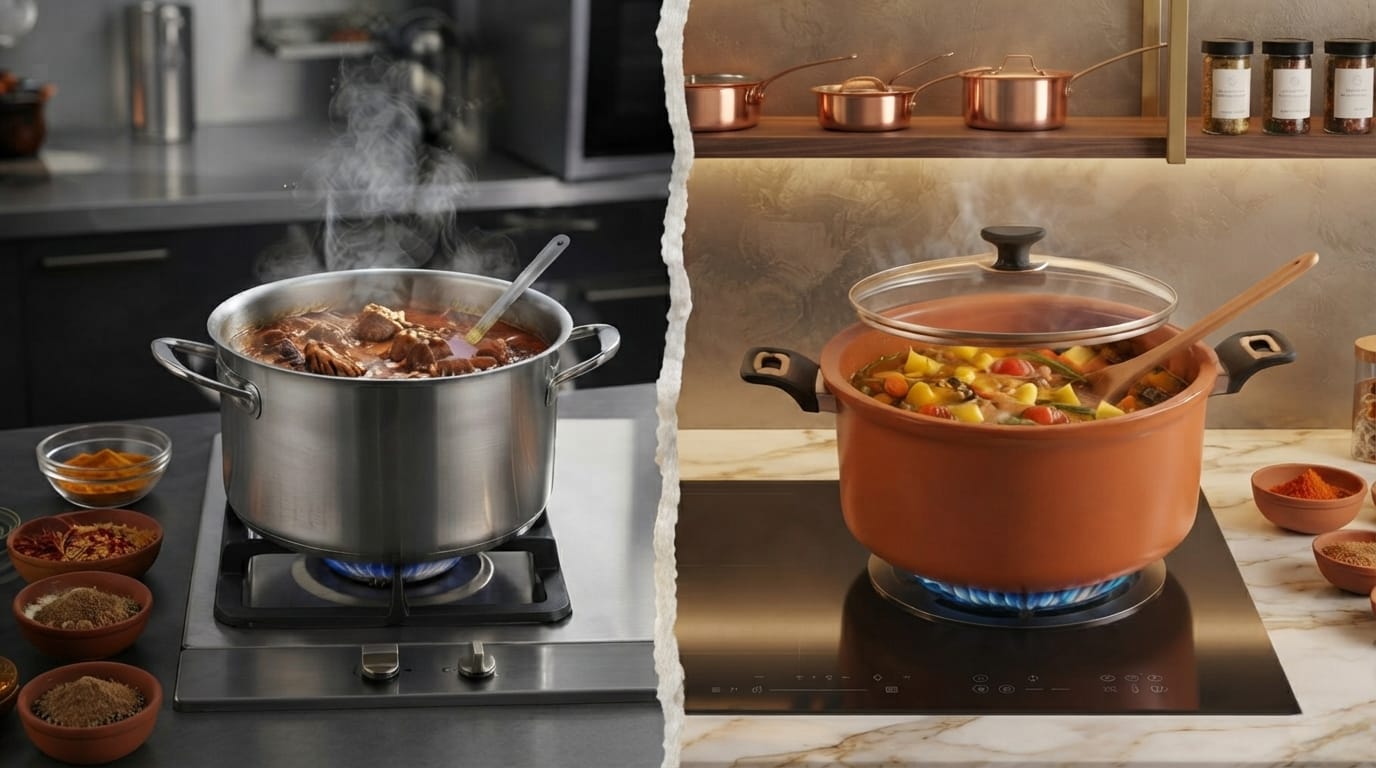
There is something deeply comforting about food cooked in clay.
Perhaps it is the gentle aroma that fills the kitchen. Perhaps it is the way a simple curry seems to carry more depth when it has been allowed to cook slowly. Or perhaps it is something less tangible — a feeling of connection to a time when cooking was not simply about getting food on the table, but about giving it time, patience, and care.
Today, our kitchens are filled with modern cookware designed for speed and convenience. Stainless steel, non-stick surfaces and advanced appliances have transformed the way we cook. Yet, despite all this progress, clay cookware has never truly disappeared.
It has remained. Not because it belongs to the past, but because some traditions continue to offer something modern life often asks us to slow down and appreciate.
For generations, clay pots have been part of kitchens across Pakistan and beyond. They have been used to prepare everyday meals, special dishes, and food shared around family tables.
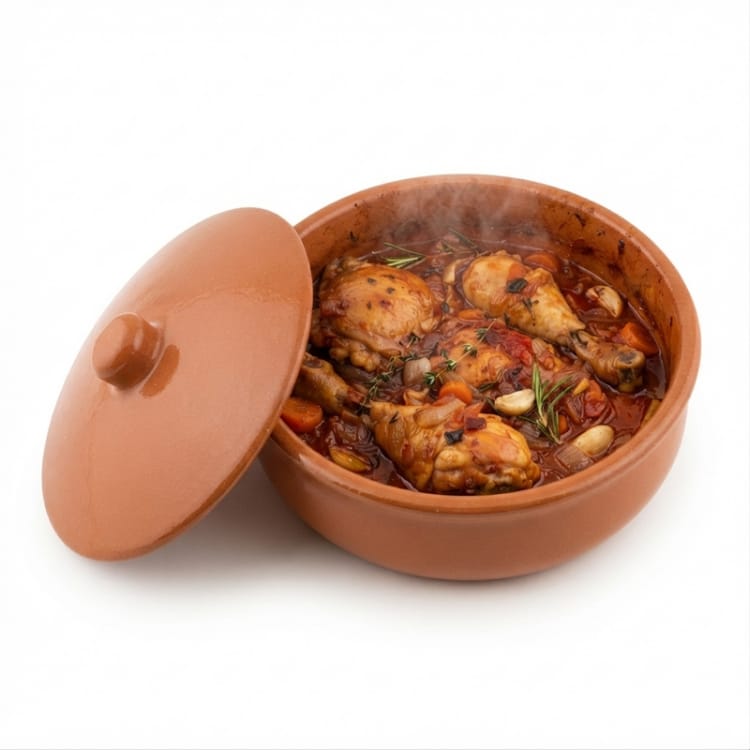
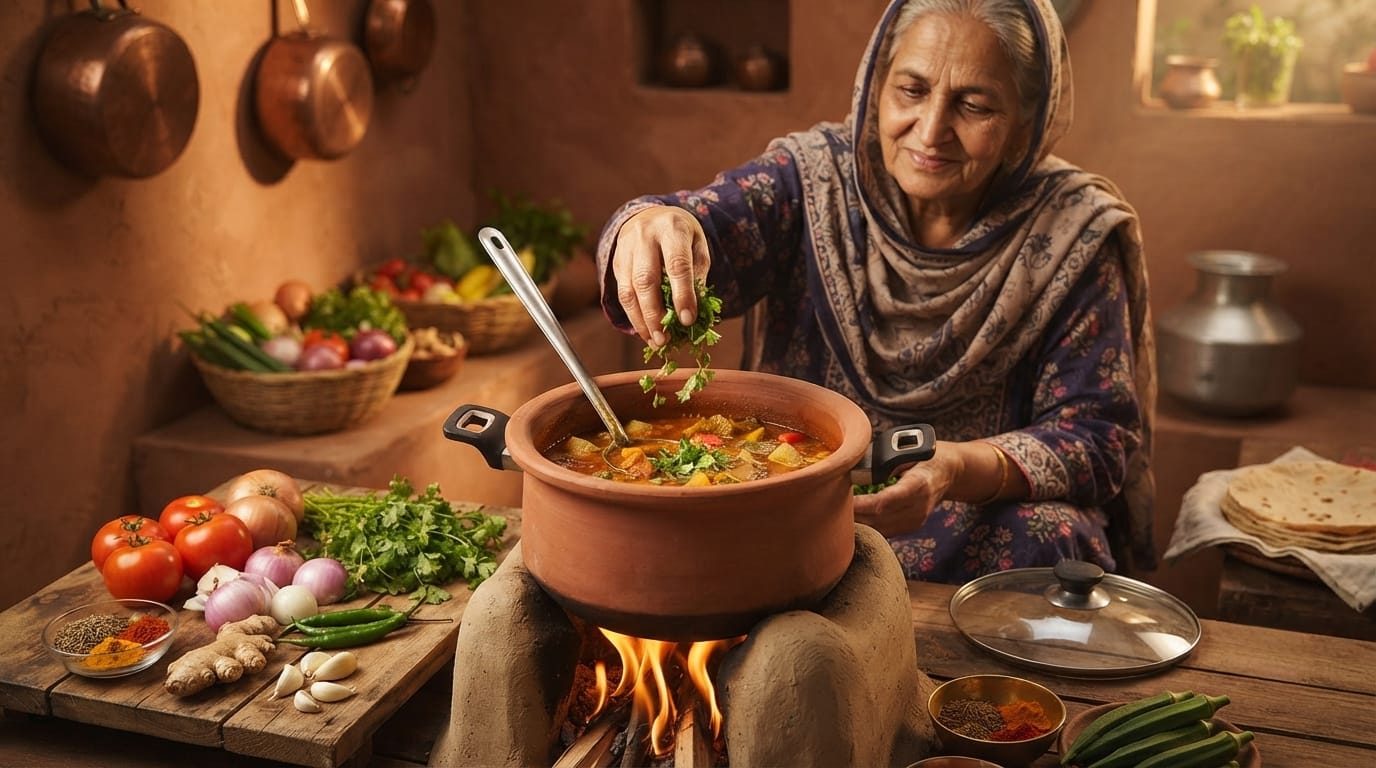
A clay handi was never simply another cooking vessel. It was part of the cooking ritual. The pot would gradually warm, the ingredients would simmer together, and the kitchen would slowly fill with the unmistakable aroma of a home-cooked meal. This slower approach to cooking allowed food to develop naturally, without rushing the process.
That is perhaps one of the most beautiful things about cooking in clay: it encourages patience.
A modern kitchen is often built around efficiency. We chop faster, cook faster and serve faster. Clay cookware invites a different rhythm. It reminds us that some of the best meals are worth waiting for. And in a world that seems to move faster every day, that feeling is surprisingly relevant.
The appeal of clay cookware is not simply nostalgia.
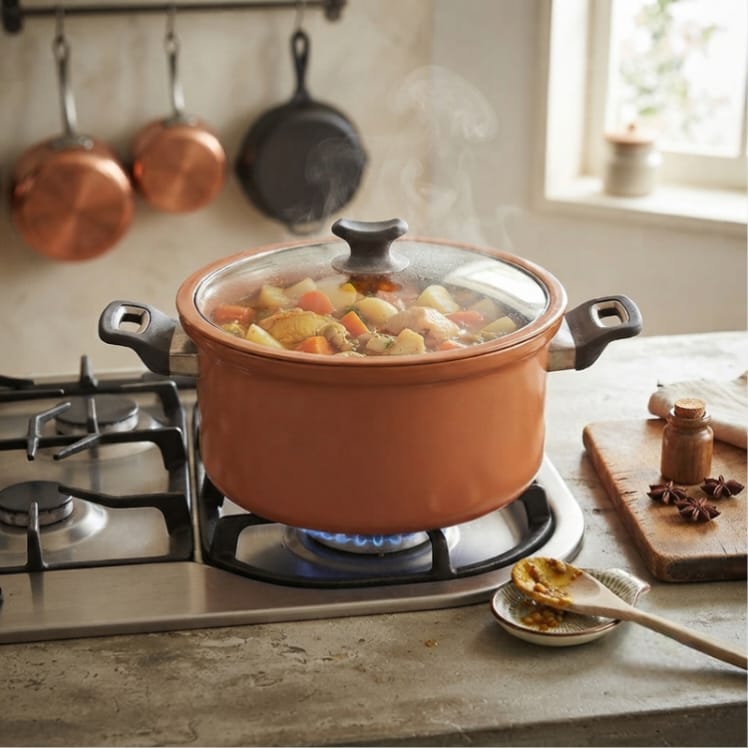
Clay has natural cooking characteristics that make it particularly suited to slow and gentle cooking. Once heated gradually, a clay vessel can retain heat and help maintain a steady cooking environment. This makes it especially enjoyable for dishes that benefit from time — rich curries, daals, stews and traditional recipes where the ingredients are meant to come together slowly.
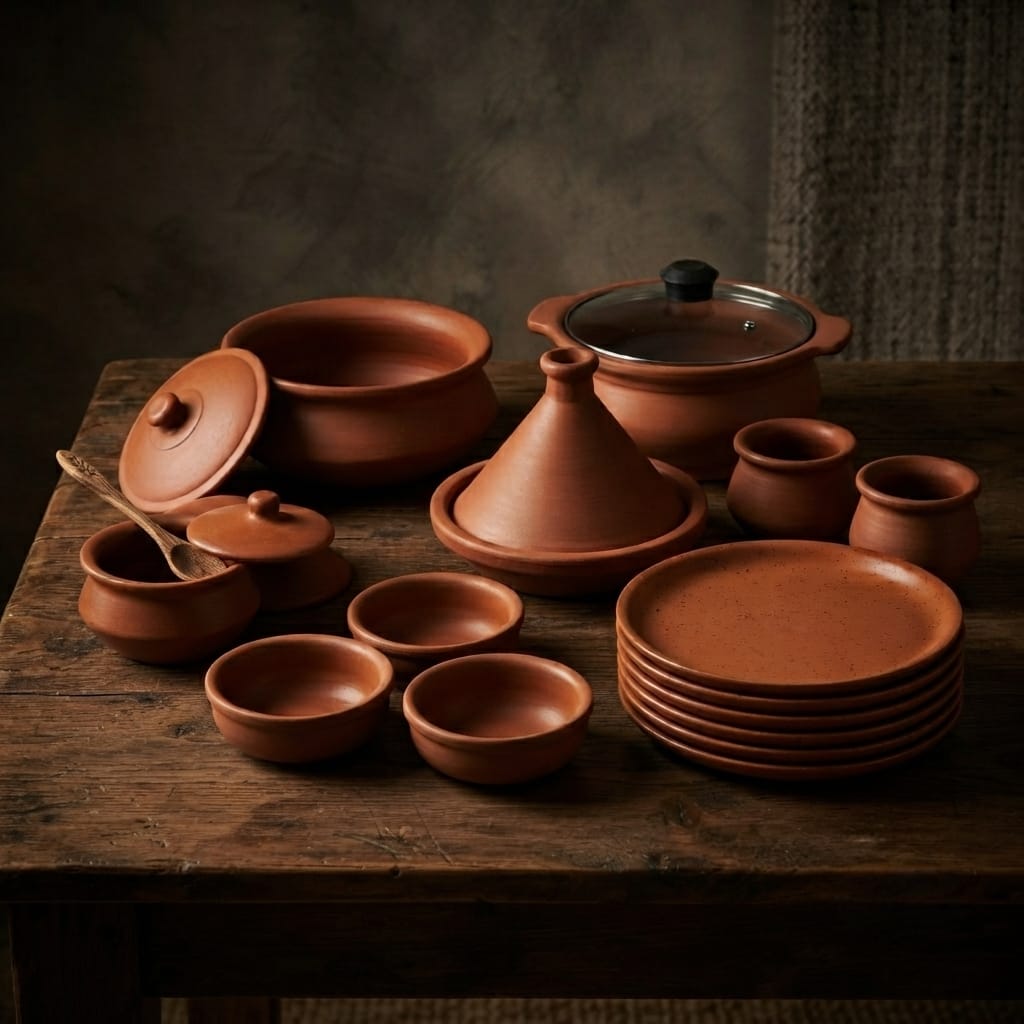
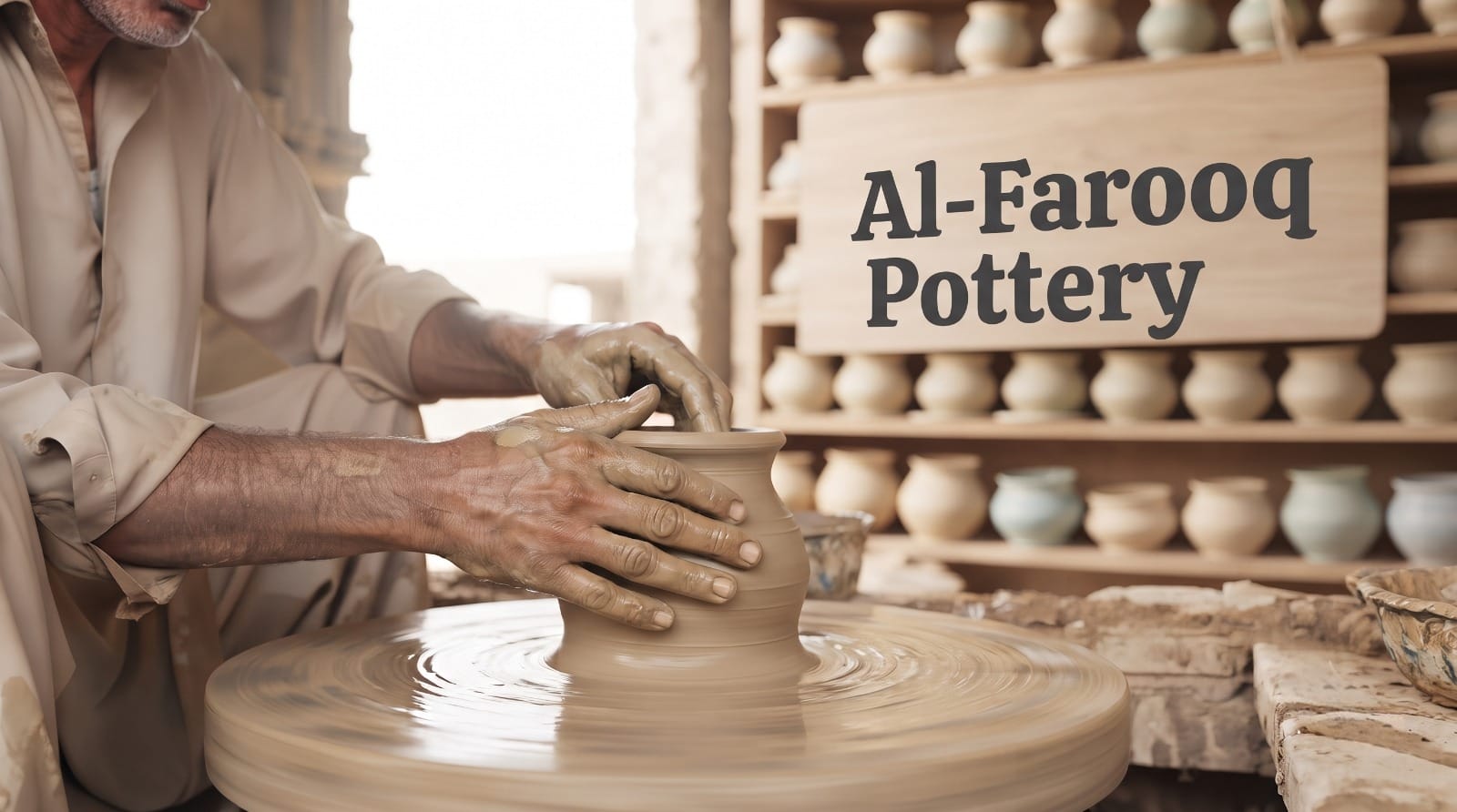
There is also the experience of cooking with something made from the earth itself. Every piece of handmade clay cookware has its own subtle character. The texture may not be perfectly uniform. The colour may vary slightly. Small differences can appear from one piece to another. In mass-produced cookware, these variations might be considered imperfections. In handmade pottery, they are part of the story. They remind us that the piece was shaped by human hands rather than produced to look identical to thousands of others.
Some forms of cookware have survived because they simply work beautifully with the food we love.
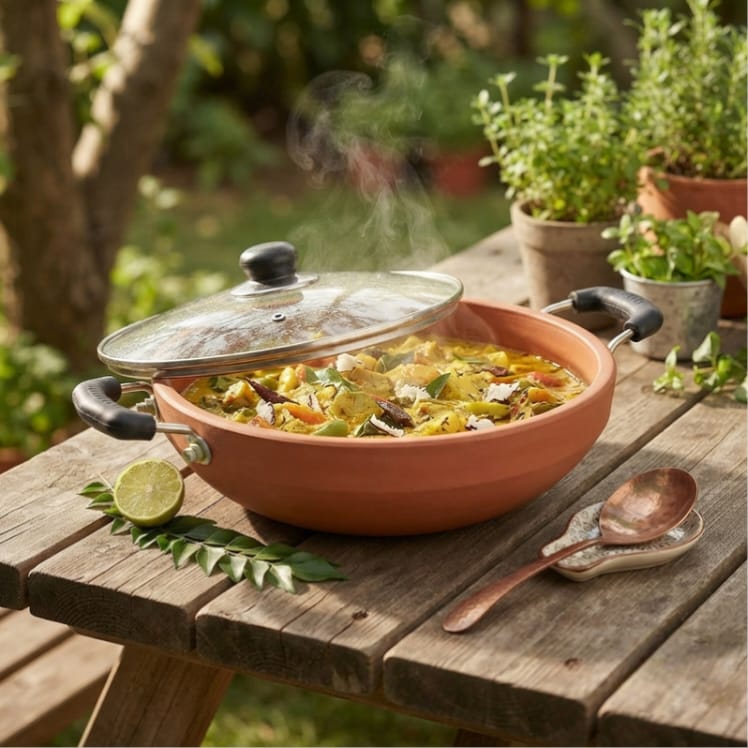
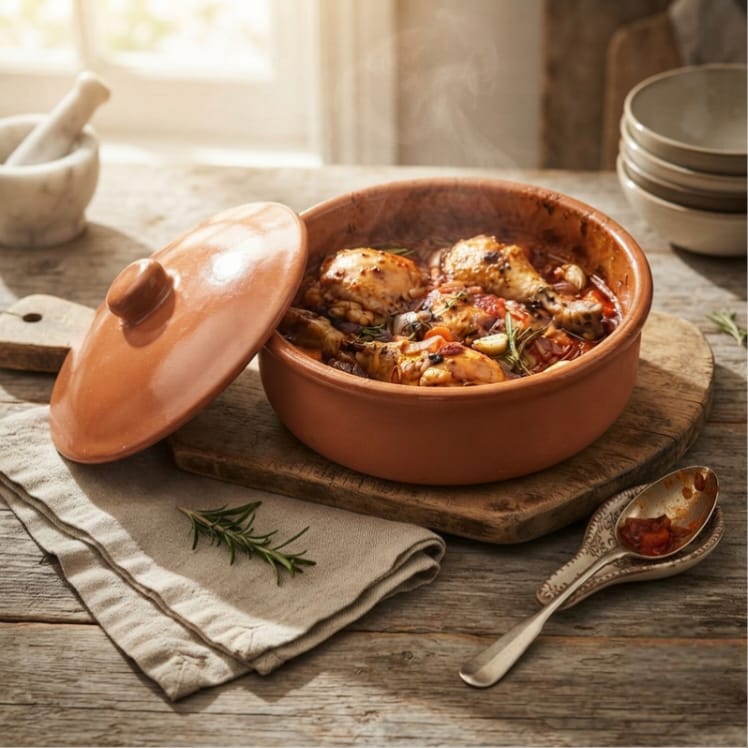
The handi, for example, is naturally associated with slow cooking. Its traditional shape makes it ideal for dishes where flavours need time to develop and ingredients need to simmer together. The karahi brings another character to the kitchen. It is deeply connected with South Asian cooking and is perfect for dishes where spices, meat and vegetables come together over heat.
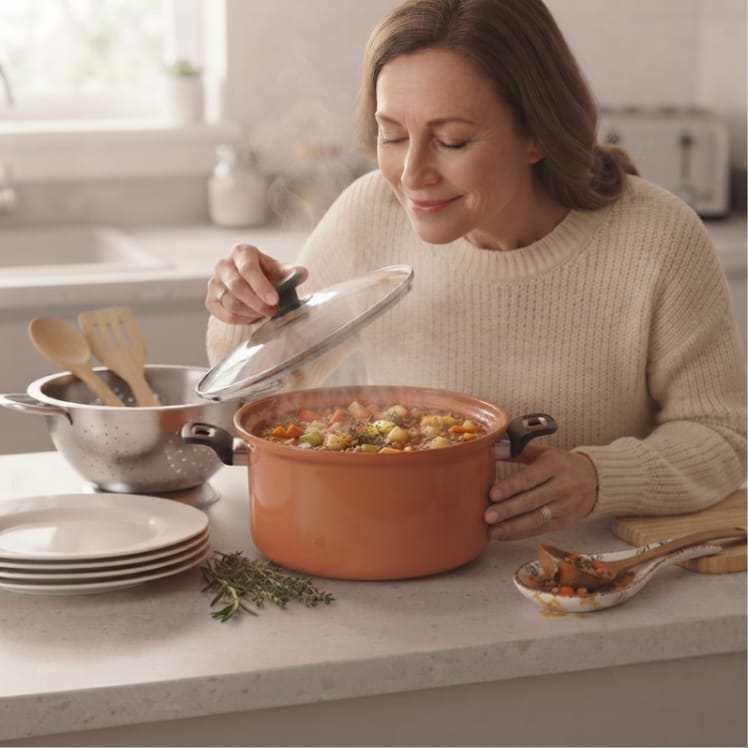
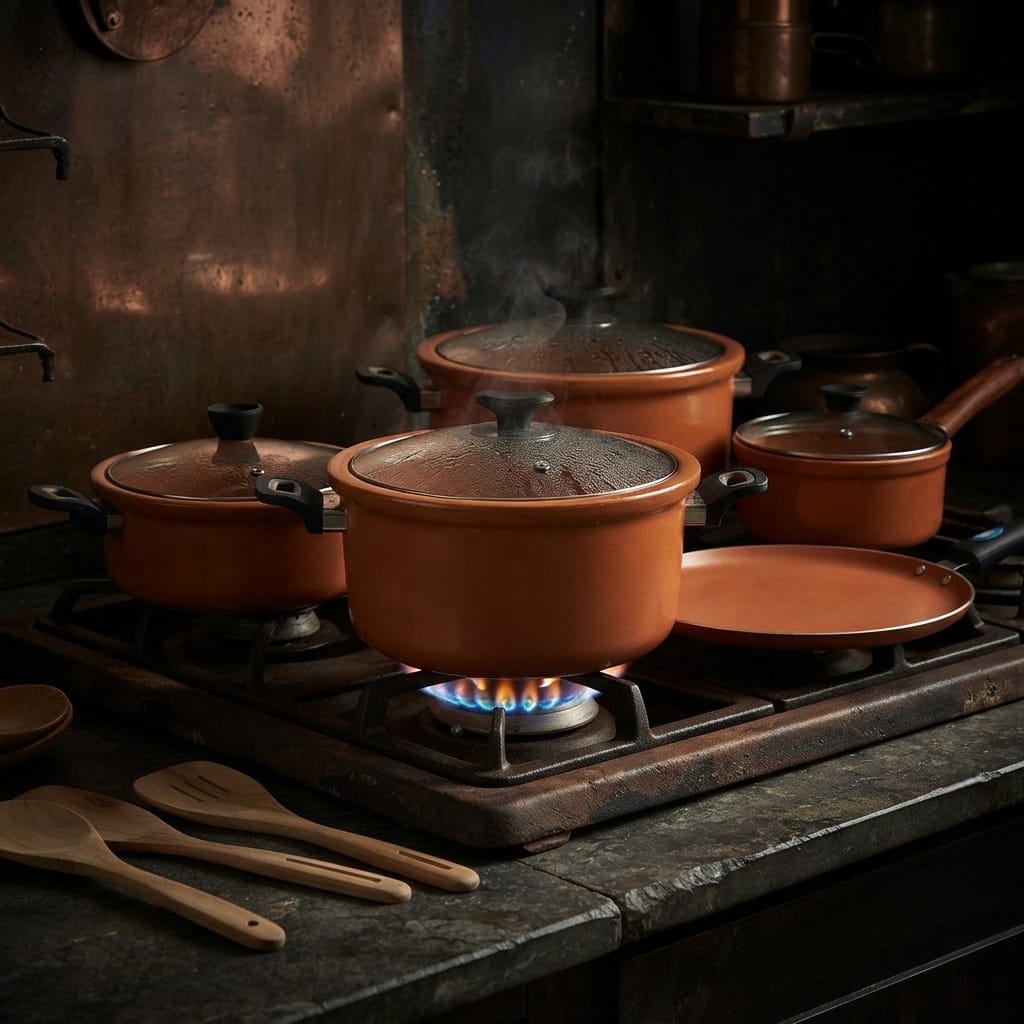
Then there is the humble saucepan — a familiar piece reimagined in clay for those who want to introduce traditional materials into everyday cooking. These are not pieces designed only to sit on a shelf as reminders of the past. They can become part of a contemporary kitchen while still carrying the character of traditional craftsmanship. That balance is what makes clay cookware so interesting today. It allows us to use something rooted in heritage without making our kitchens feel stuck in another era.
Perhaps the greatest lesson clay cookware offers has little to do with cookware at all.
It is about slowing down. We live in a time where almost everything is designed to save us time. And while convenience is valuable, there is something special about choosing, occasionally, not to rush. Cooking in clay can turn an ordinary meal into an experience. You notice the aroma.
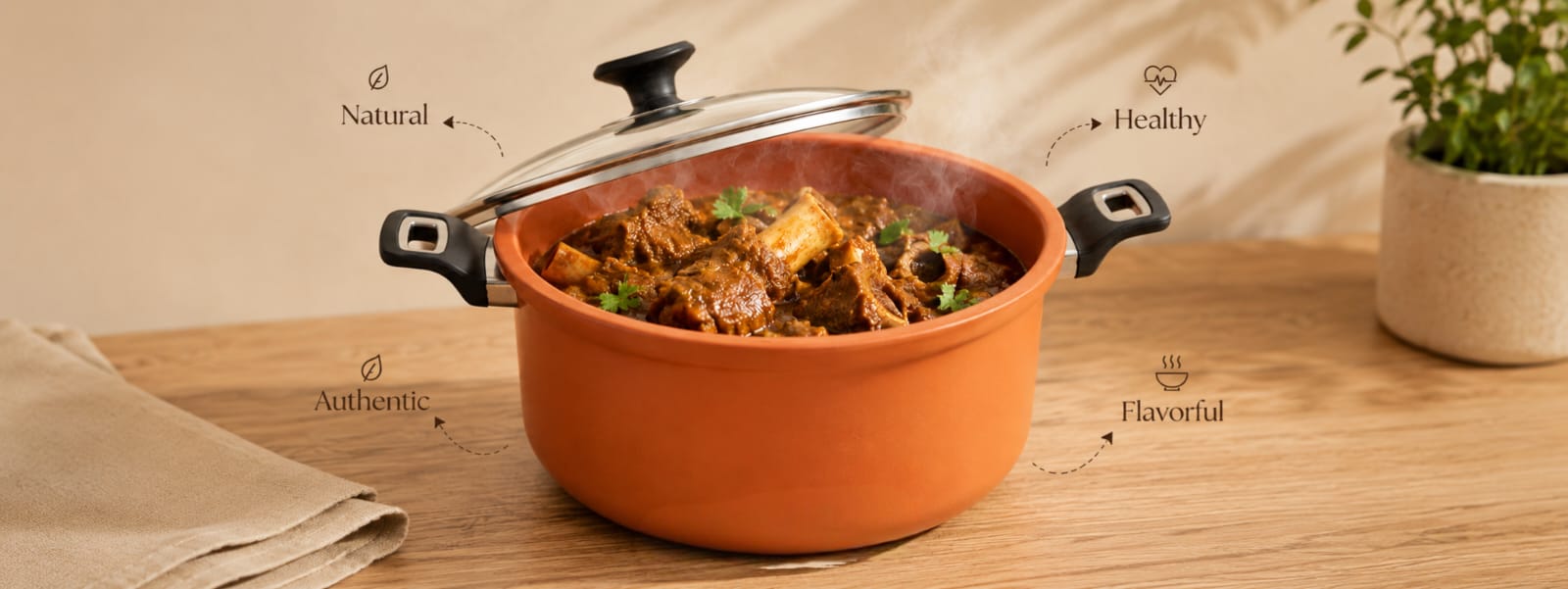
You wait for the flavours to develop.
You serve the food in the same vessel in which it was cooked. And when the dish reaches the table, it feels less like something that was simply prepared and more like something that was cared for.
This is especially meaningful in Pakistani homes, where food has always been closely connected with family, hospitality and togetherness. A meal is rarely just a meal. It is conversation around the table, a recipe passed from one generation to another, and sometimes a memory of home. Clay fits naturally into that story.
At Al-Farooq Pottery, we believe traditional craftsmanship does not have to compete with modern life. It can become part of it.
Our clay cookware is inspired by the simple relationship between earth, fire and food — a relationship that has existed long before modern cookware entered our kitchens. The purpose is not to suggest that everything modern should be replaced. It is to preserve something worth keeping.
A tradition. A slower way of cooking. The character of handmade pottery. And the feeling that comes from preparing food in something connected to the earth. Because sometimes, moving forward does not mean leaving everything behind. Sometimes, it means looking back, remembering what mattered, and bringing the best of it with us.
Clay cookware has survived generations because it offers more than functionality. It offers a connection — to craftsmanship, to culture, to food and to the people we share it with.
A clay handi on the stove, a karahi preparing a family favourite, or a simple saucepan quietly simmering something for dinner can bring a different kind of warmth into the kitchen. And perhaps that is why traditional cookware still matters. Not because we need to return to the past. But because, in the middle of modern life, there are some things worth slowing down for.
Al-Farooq Pottery — bringing the timeless art of cooking in clay into the modern kitchen.
There is something special about cooking in clay. It is not simply about placing a handi on the stove or
Long before non-stick pans, electric cookers and modern kitchen gadgets became common, clay cookware was a natural part of everyday