No products in the cart.
The Art of Cooking in Clay: Why Traditional Cookware Still Matters
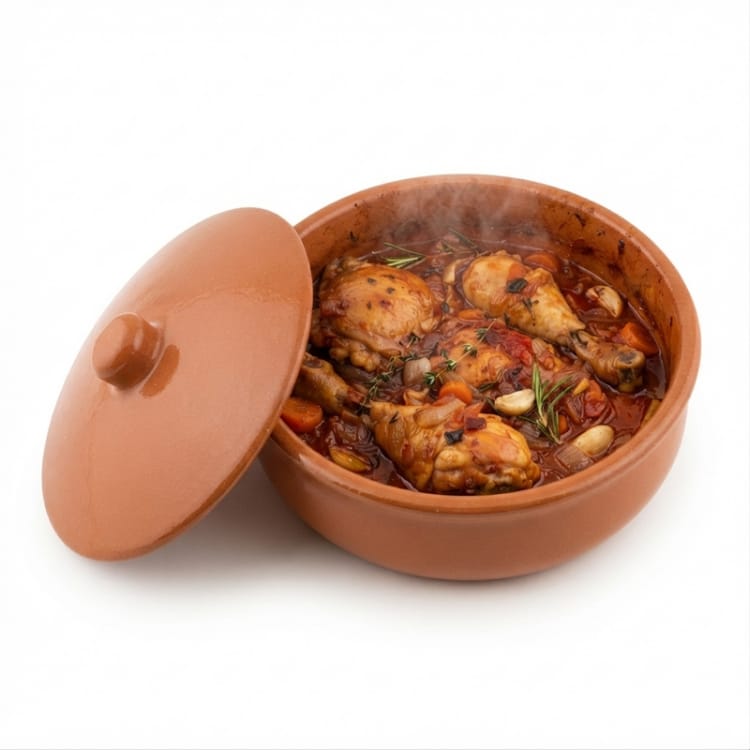
There is something deeply comforting about food cooked in clay. Perhaps it is the gentle aroma that fills the kitchen.
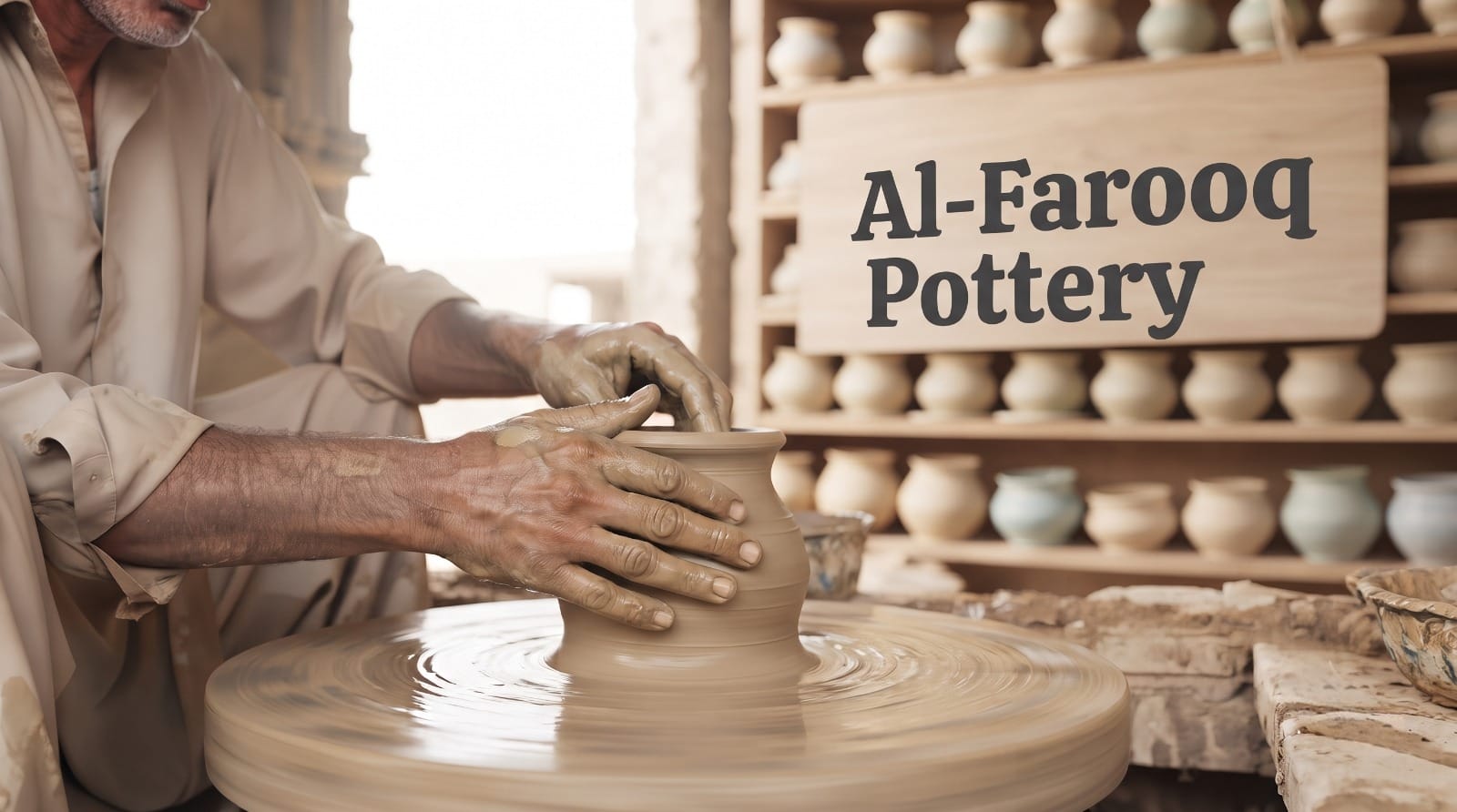
There is something special about cooking in clay. It is not simply about placing a handi on the stove or serving food in a traditional pot. It is about bringing a piece of the earth into the kitchen — something shaped by hand, fired by heat, and made to become part of everyday life.
At Al-Farooq Pottery, every piece of clay cookware begins with something remarkably simple: earth.
But turning ordinary clay into a strong, beautiful, and functional cooking vessel takes patience, experience, and a deep respect for the craft. Long before a clay handi reaches your kitchen, it passes through several careful stages, each one playing an important role in the final piece.
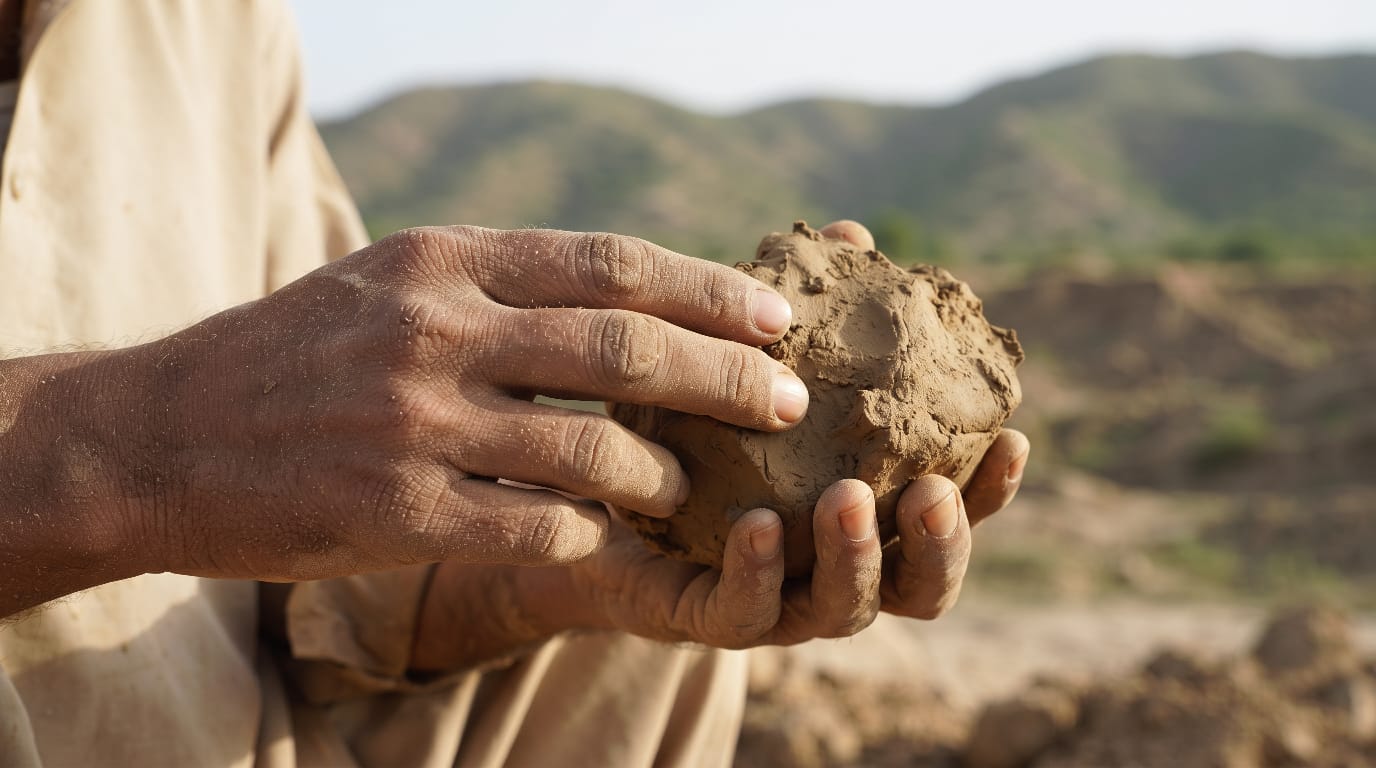
The first step is selecting the clay.
Not every piece of earth is suitable for making cookware. The clay needs the right consistency, texture, and composition so that it can be shaped properly and withstand the intense heat of firing.
For a potter, this is where experience matters. The clay has to feel right in the hands. It is prepared carefully, cleaned and worked until it reaches the condition needed for shaping.
There is no shortcut here. Good pottery starts with good clay, and the quality of the final cookware depends heavily on what happens at this very first stage.
Once the clay is ready, the shaping begins.
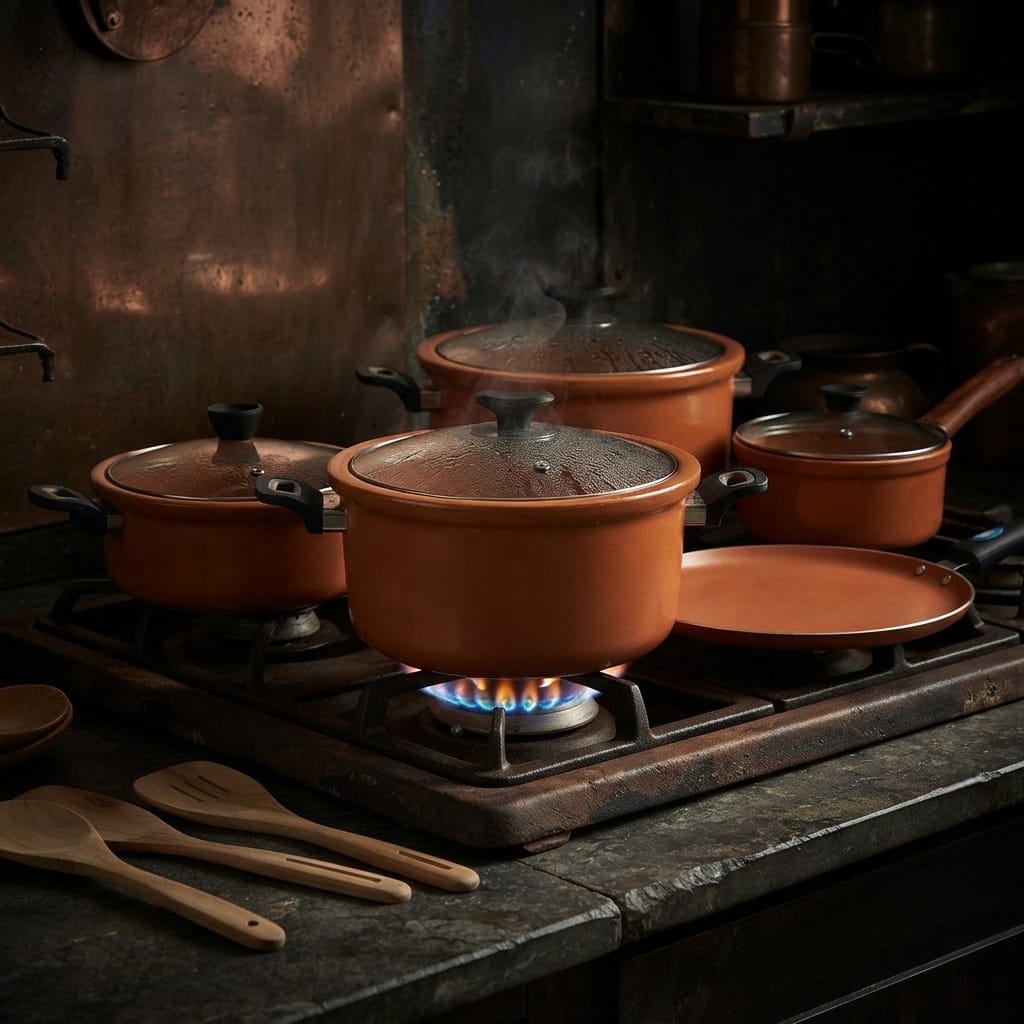
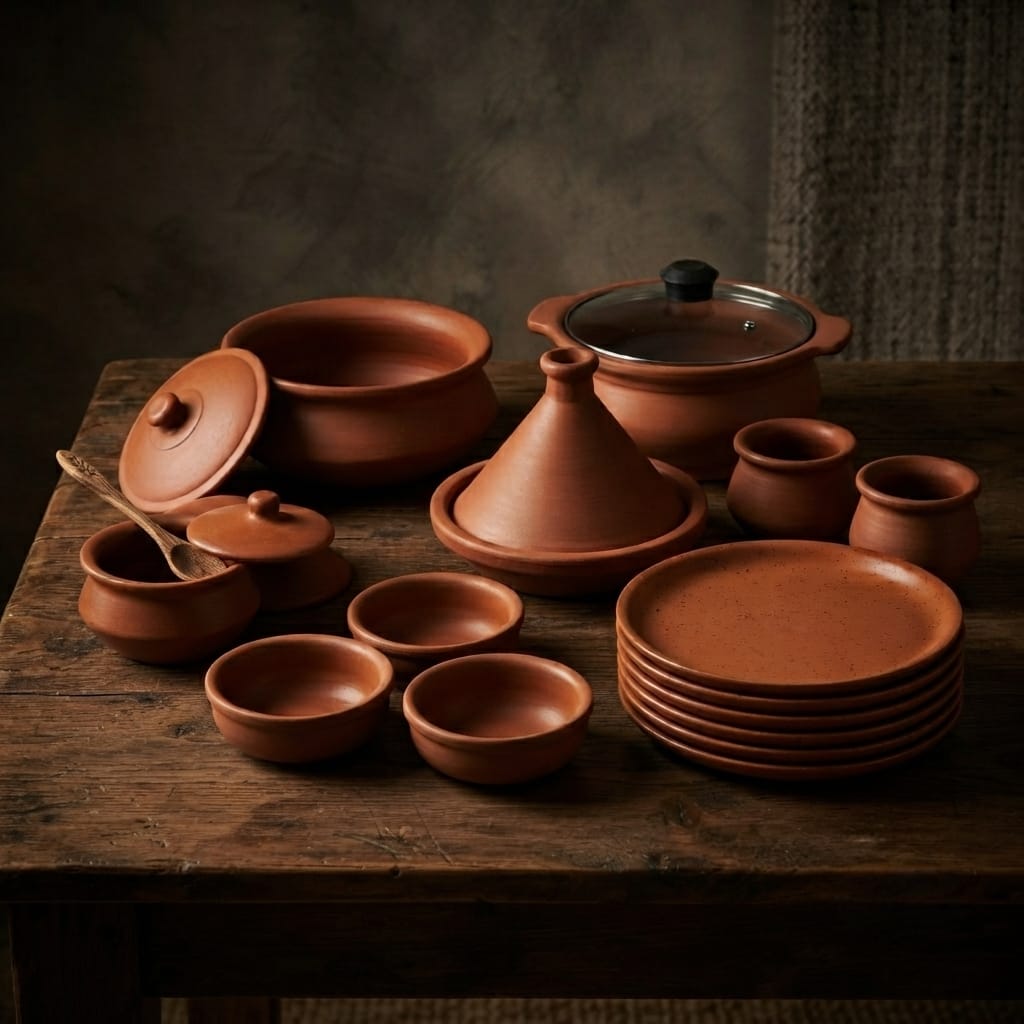
This is where a simple mass of earth starts taking the form of something familiar — a handi, karahi, saucepan, tawa, or another piece of cookware.
The potter works with the clay patiently, shaping its walls and curves while keeping an eye on thickness and balance. Every movement matters. Too much pressure can change the form, while too little can leave the piece uneven.
Unlike mass-produced cookware, handmade pottery carries small signs of the hands that created it. Those subtle variations are not imperfections. They are part of what makes handmade pottery feel authentic.
Each piece has its own character.
After shaping, the cookware is not ready for the fire just yet.
It needs time to dry.
This stage may seem simple, but it is one of the most important parts of pottery making. The freshly shaped clay contains moisture, and that moisture needs to leave the piece gradually and naturally.
If the process is rushed, the clay can develop cracks or become damaged during firing.
So the pieces are left to dry carefully, allowing them to become firm enough for the next stage.
For the potter, this is a lesson in patience — something pottery has always demanded.
You cannot force clay to become ready before its time.
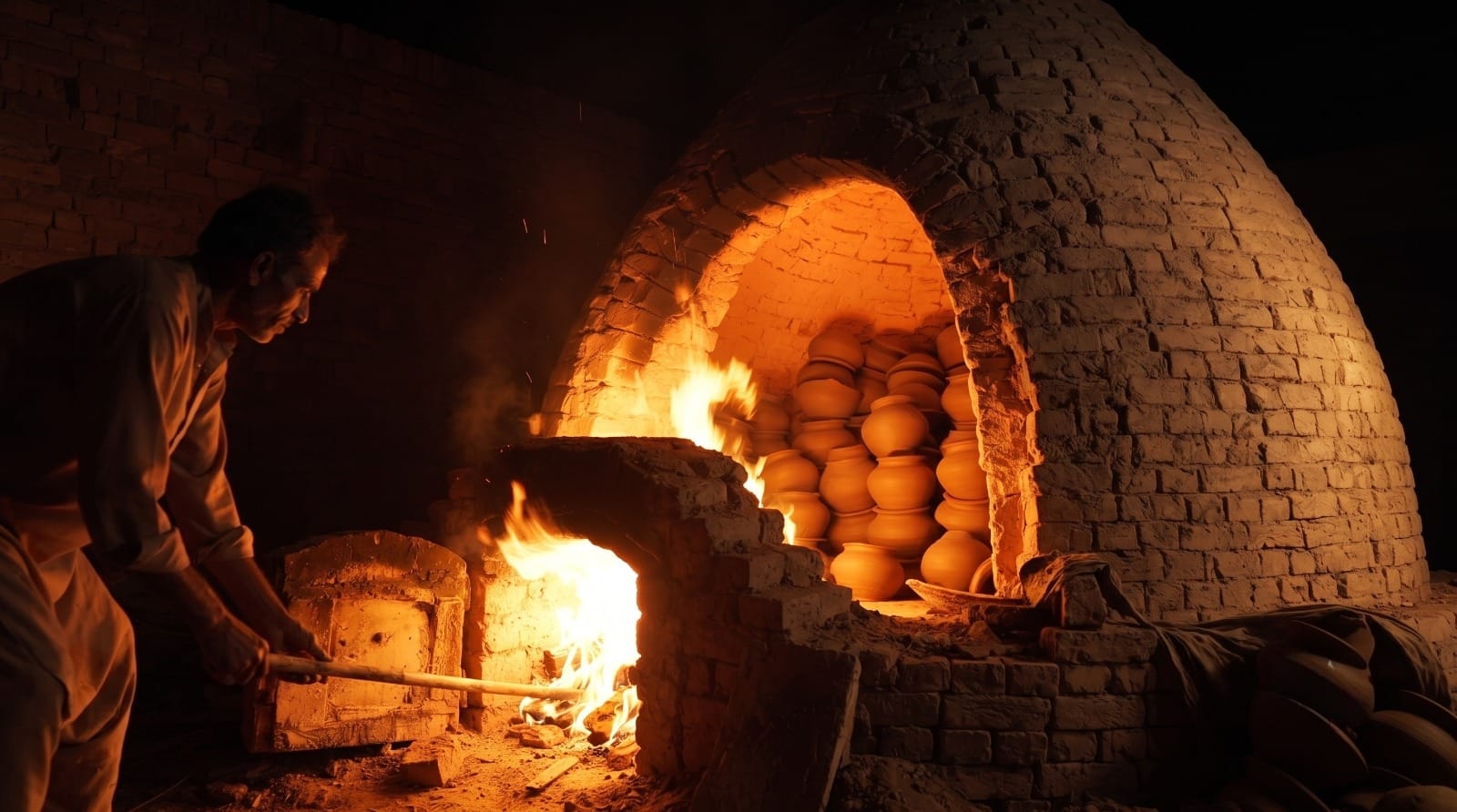
Once the cookware has dried sufficiently, it is ready for the most transformative part of the journey: firing.
The kiln brings intense heat to the clay, changing it from a fragile, dried form into a much stronger ceramic material.
This is where all the previous work is put to the test.
The temperature, timing, placement, and firing conditions all matter. The clay must go through the process carefully so the finished cookware develops the strength and durability expected from a good piece of pottery.
There is something almost poetic about this stage.
Earth is shaped by human hands, dried by time, and transformed by fire.
What began as a piece of clay is now becoming something that can eventually find a place in someone’s kitchen.
After firing, each piece is carefully inspected and finished.
Its surface is checked, unwanted roughness is addressed, and the cookware is prepared for its final presentation.
At Al-Farooq Pottery, the goal is not to make every piece look unnaturally identical. The beauty of handmade pottery lies in its character — the natural texture, earthy appearance, and subtle differences that remind you that it was made by people, not simply produced by machines.
These details give clay cookware its timeless appeal.
It feels connected to something older than modern kitchens: a tradition where useful objects were made slowly, thoughtfully, and with purpose.
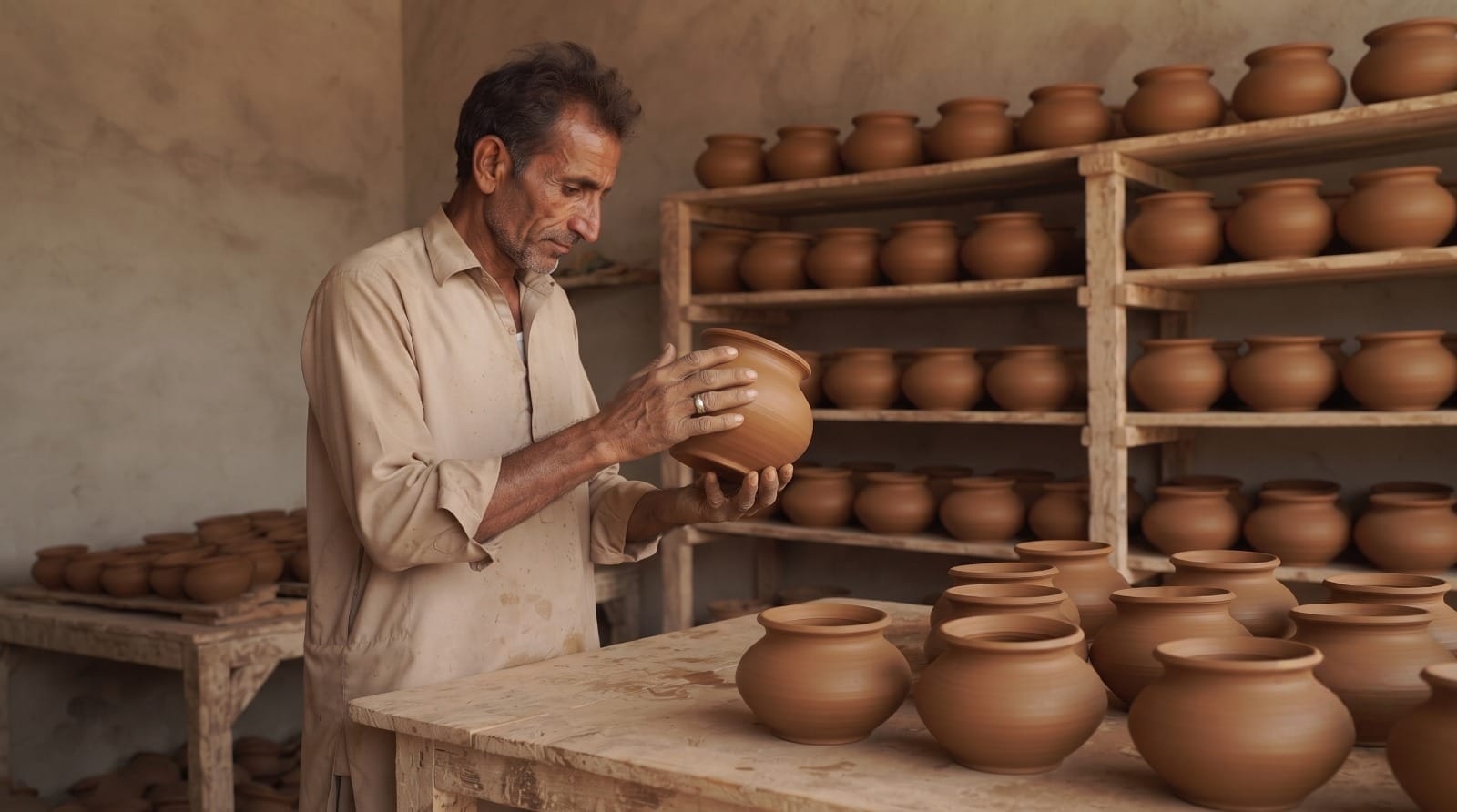
The final step is quality checking.
Every piece deserves a careful look before it leaves the workshop. Its shape, structure, finish, and overall condition are checked to make sure it meets the standard expected from Al-Farooq Pottery.
Because when someone brings a piece of our pottery into their home, they are not simply buying cookware.
They are trusting us with a part of their cooking experience.
That is why the journey does not end when the pottery comes out of the kiln. It ends when we are confident that the piece is ready to become part of someone’s kitchen.
A clay handi sitting on a kitchen shelf may look simple. But behind that one piece is a journey that begins with earth and passes through skilled hands, patient drying, intense fire, careful finishing, and quality inspection.
That is what makes handmade clay cookware different.
It carries a story.
At Al-Farooq Pottery, we believe traditional craftsmanship still has a place in modern kitchens. Our cookware is made with the same connection to clay and craft that has been passed down through generations — while being created for the kitchens and families of today.
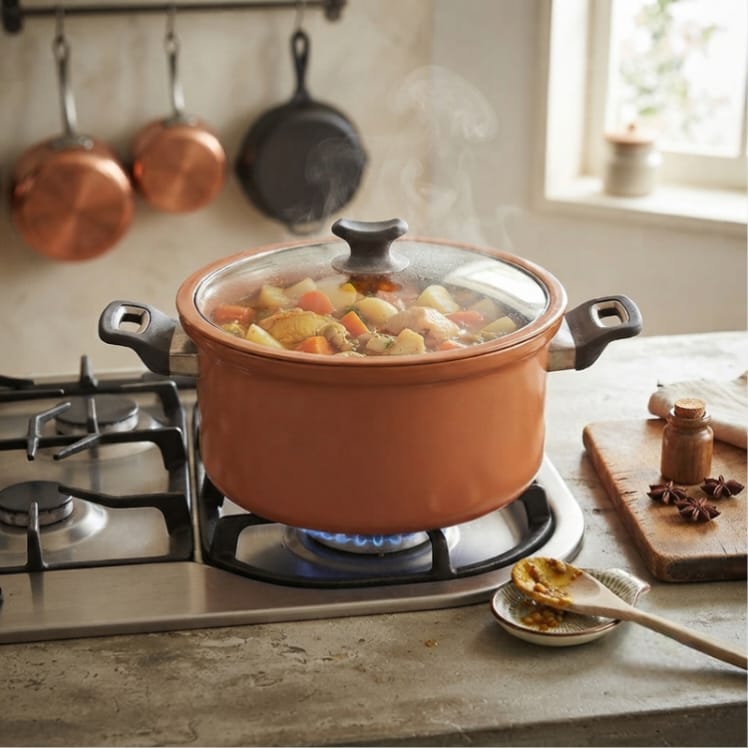
So the next time you place a clay handi on your stove, remember that it did not begin there.
It began in the earth.
It was shaped by hand, given strength by fire, and carefully prepared for its journey into your home.
From earth to kitchen — every piece has a story.
There is something deeply comforting about food cooked in clay. Perhaps it is the gentle aroma that fills the kitchen.
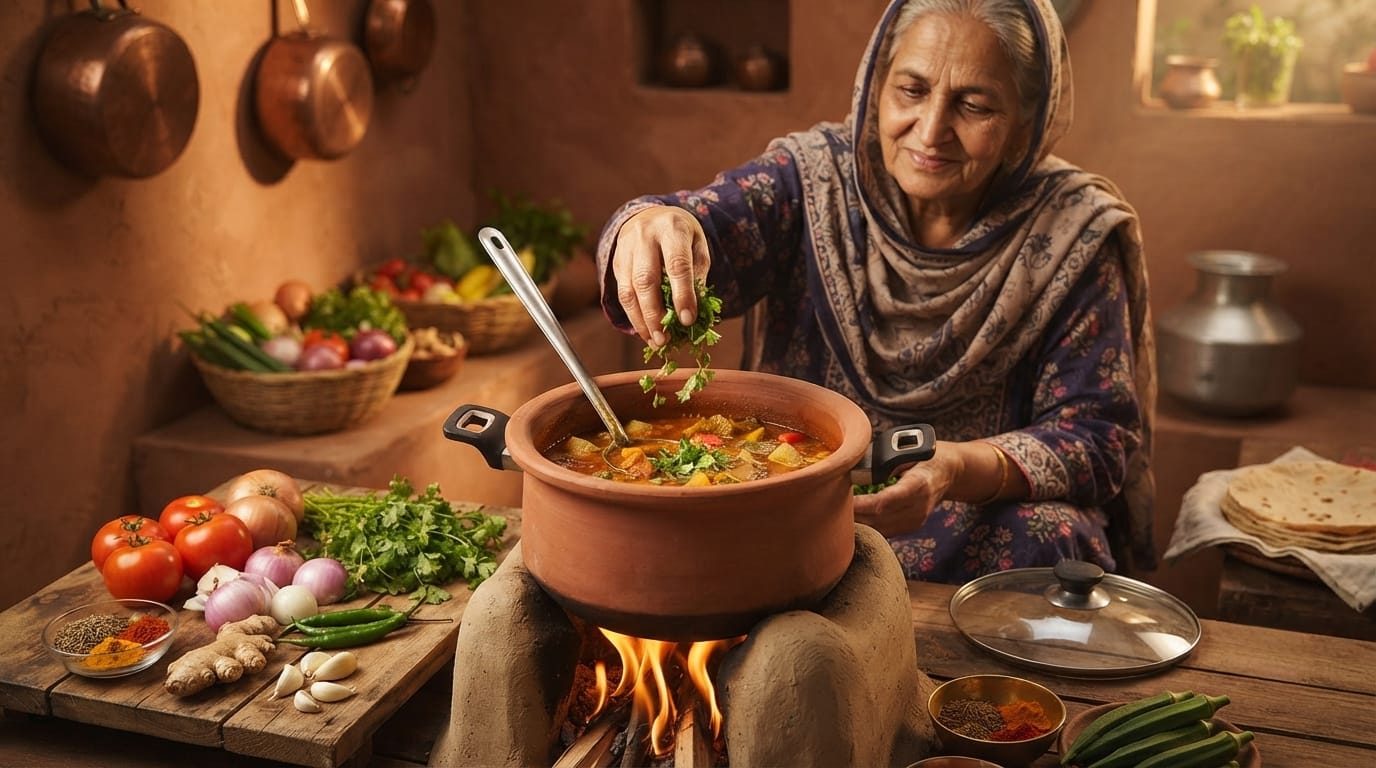
Long before non-stick pans, electric cookers and modern kitchen gadgets became common, clay cookware was a natural part of everyday