No products in the cart.
The Art of Cooking in Clay: Why Traditional Cookware Still Matters
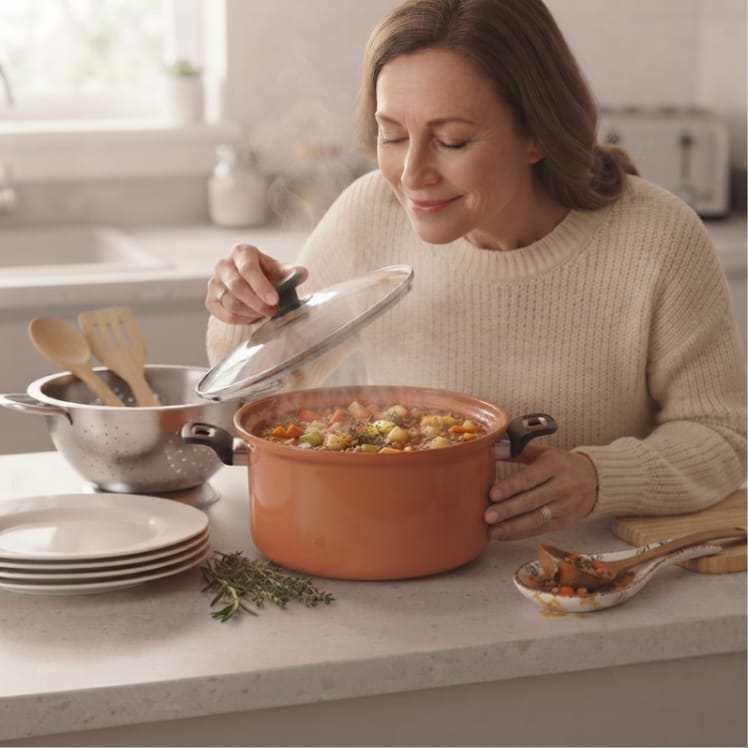
There is something deeply comforting about food cooked in clay. Perhaps it is the gentle aroma that fills the kitchen.
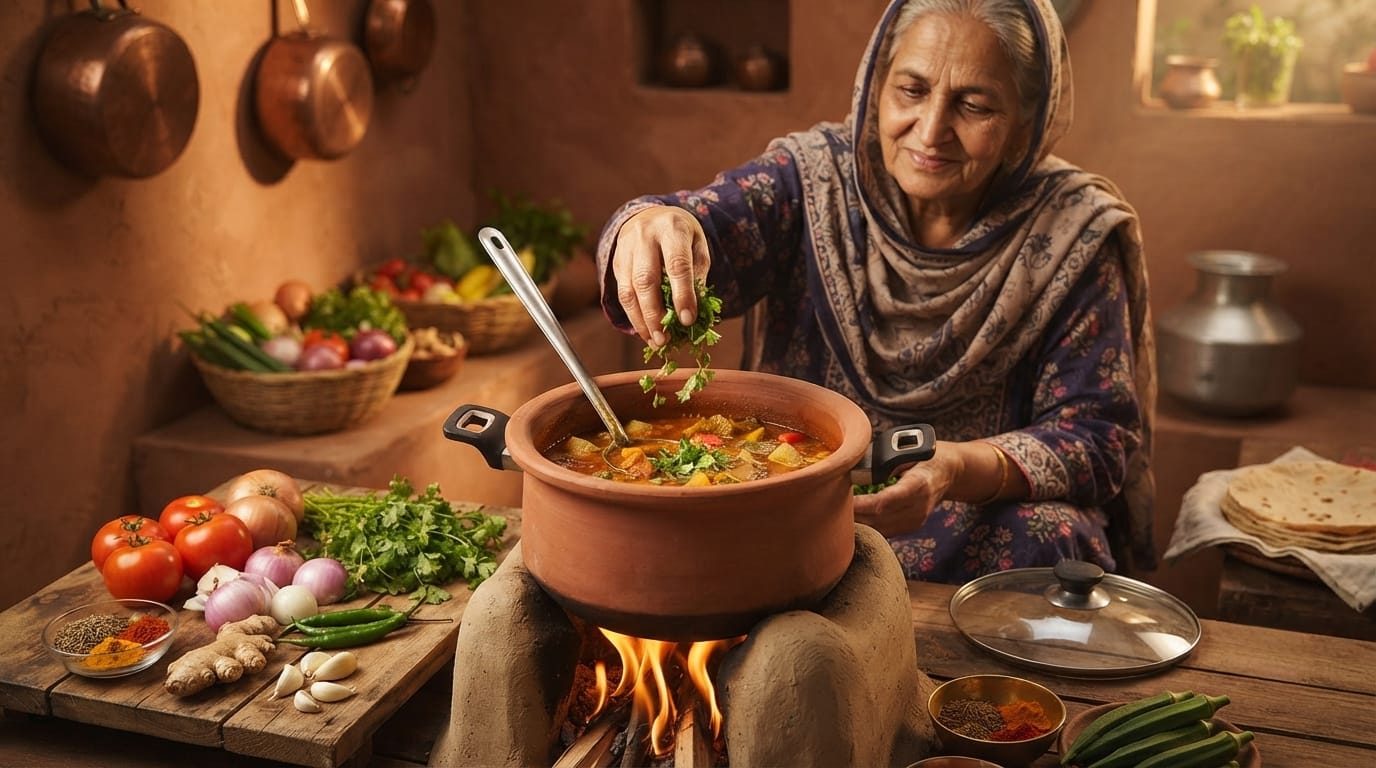
Long before non-stick pans, electric cookers and modern kitchen gadgets became common, clay cookware was a natural part of everyday life.
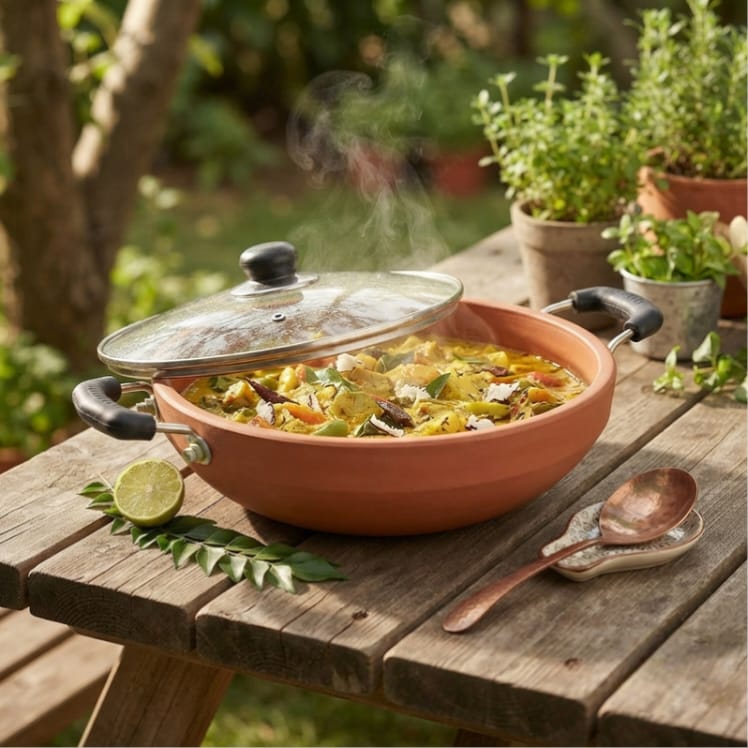
Our grandmothers didn’t choose clay pots because they were fashionable. They cooked in them because that was what generations before them had trusted. The clay handi sitting quietly in the kitchen was not considered special or traditional—it was simply how food was prepared. Yet today, as more people rediscover clay cookware, many find themselves asking an interesting question:
Why did our grandmothers prefer cooking in clay?
The answer goes beyond cookware itself. It is a story about tradition, patience, craftsmanship and a way of cooking that valued the process just as much as the final meal.
For our grandmothers, clay cookware represented something completely natural.
The pots were made from earth, shaped by skilled hands and fired using traditional methods. They came from local craftsmen and became part of family kitchens for years.
There was no concept of buying a new cookware set every season. A well-cared-for clay handi or karahi became part of daily life.
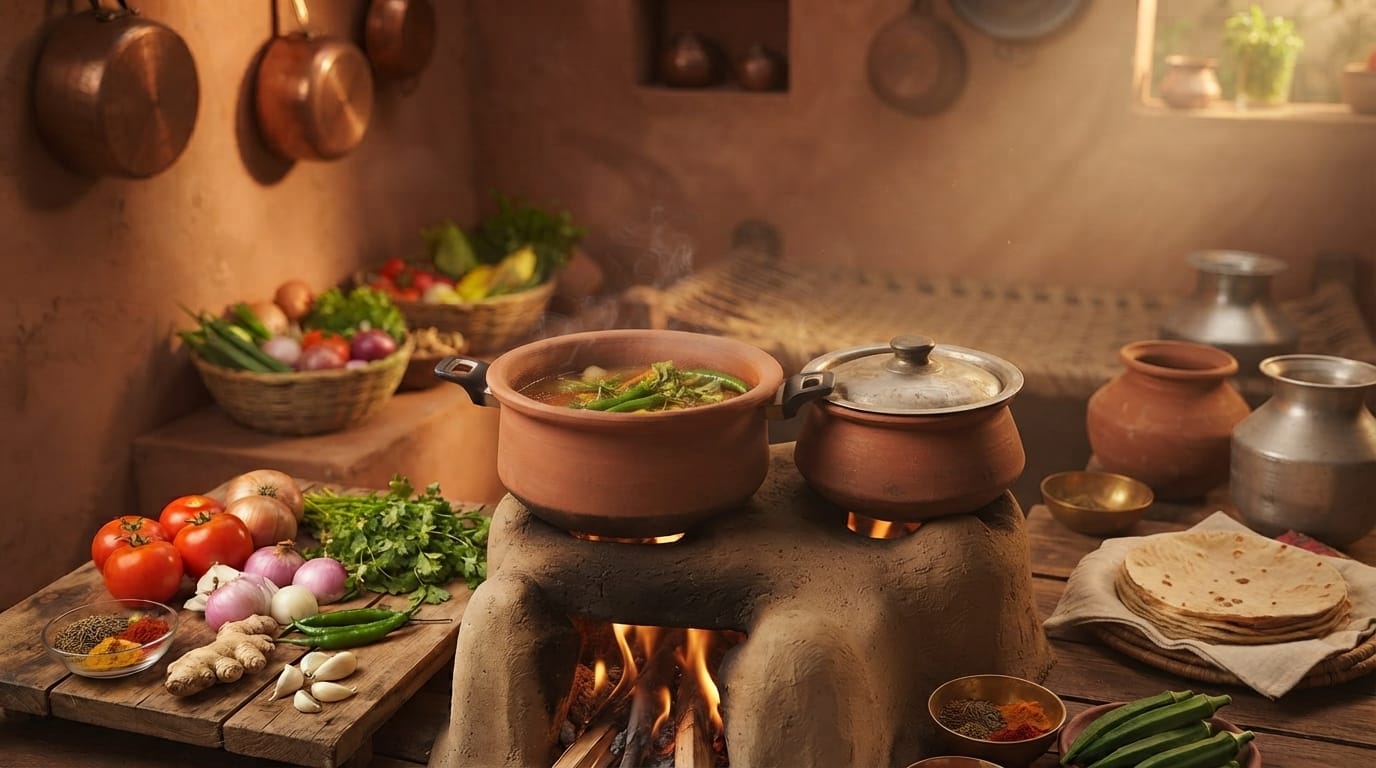
Meals were prepared in it.
Family gatherings revolved around it.
Recipes were passed down through it.
In many homes, the cookware itself carried memories.
A particular handi might have cooked hundreds of family meals over the years.
And perhaps that is one reason clay cookware still feels so meaningful today—it connects us to a simpler relationship with food and home.
One of the biggest differences between traditional cooking and modern cooking is speed. Today, we often look for ways to cook faster.
Our grandmothers looked for ways to cook better. Many traditional Pakistani dishes were prepared slowly and patiently. Curries simmered gently. Daal cooked for hours. Meat dishes were given enough time to become tender and flavorful.
Clay cookware naturally suited this style of cooking. It encouraged a slower pace.
There was no rush. The focus was on allowing ingredients to develop gradually rather than forcing them through the cooking process. And while modern life often demands convenience, there is still something valuable about that slower rhythm.
Think about some of the dishes most closely associated with Pakistani food:
Nihari
Daal
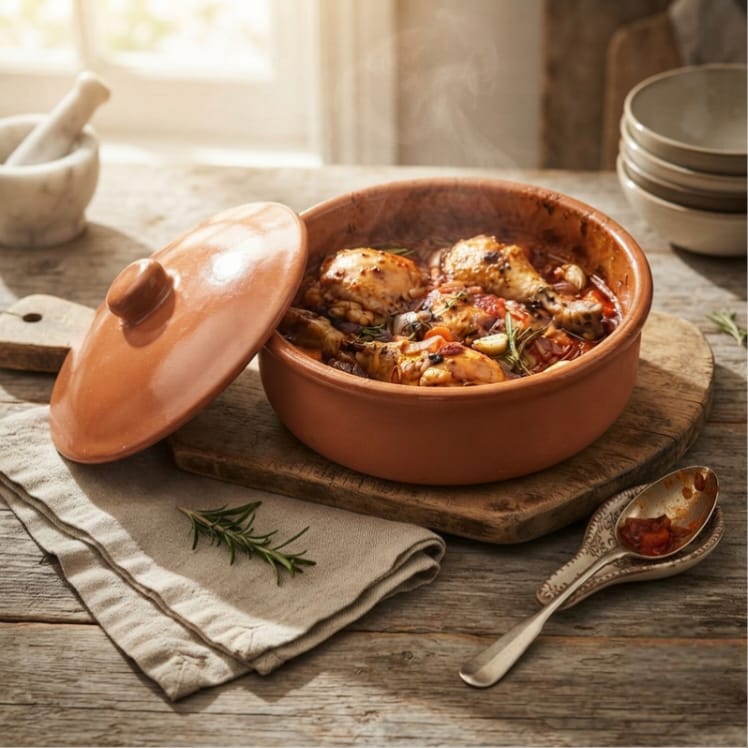
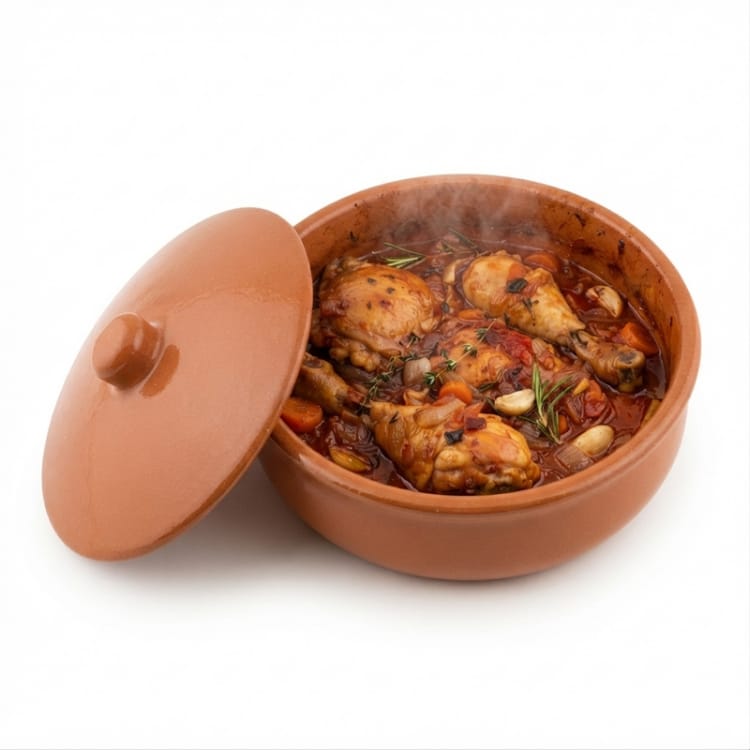
Chicken Handi
Aloo Gosht
Saag
Mutton Curries
Biryani
These are not dishes built around speed.
They rely on patience, balance and time.A clay handi became the perfect companion for this style of cooking because it complemented the way these recipes were traditionally prepared.
Food wasn’t simply cooked. It was allowed to evolve. The spices blended. The aromas developed. The ingredients came together naturally. This approach helped create the rich cooking traditions that many families still cherish today.
Today, many kitchen products are designed to attract attention.
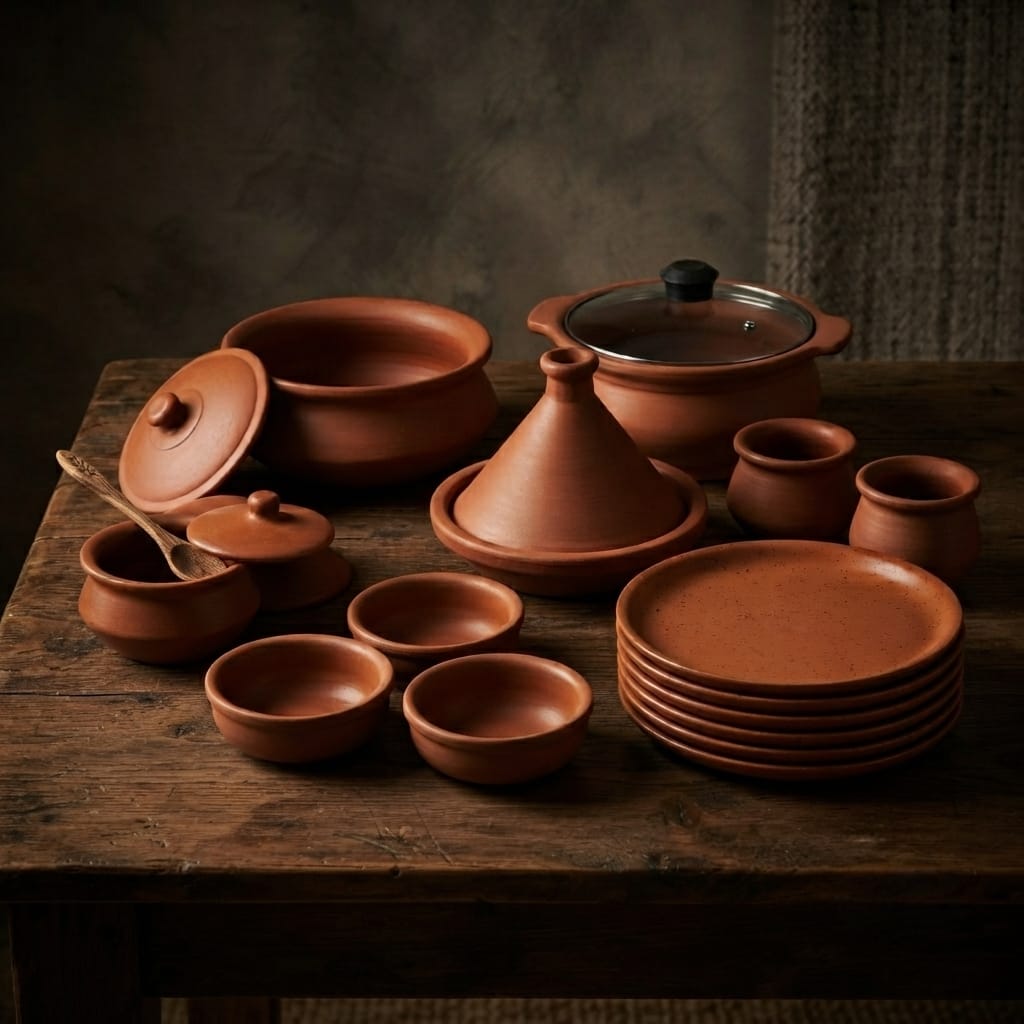
Bright colors. Modern finishes. Complex designs. Clay cookware never needed any of that. Its beauty came from simplicity. The earthy texture. The handcrafted shape. The natural warmth of the material. Every piece looked slightly different because every piece was made by hand.
That individuality is something many people appreciate even more today, when so many products are mass-produced and identical. A handmade clay handi feels authentic because it is authentic.
Another reason clay cookware held such an important place in traditional households was its connection to local artisans.
Every clay pot represented the skill of a potter. The shaping. The drying. The firing.
The generations of knowledge passed from one craftsman to another. When families purchased clay cookware, they were supporting local craftsmanship and preserving traditions that had existed for centuries.
In many ways, the clay pot was more than cookware. It was a piece of cultural heritage.
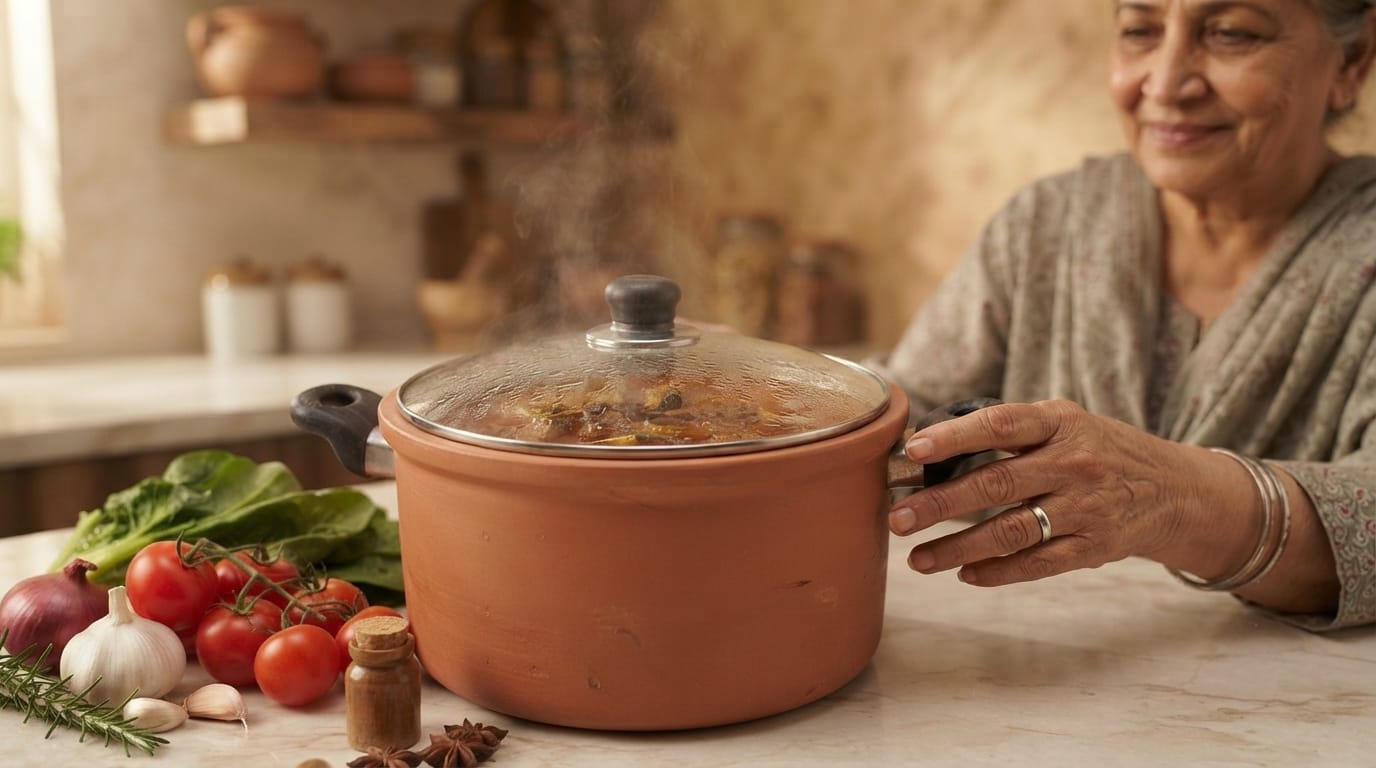
Perhaps this is why so many people are rediscovering clay cookware today.Not because they want to live exactly as previous generations did.
But because they recognize that some traditions still have value. People want kitchens that feel more personal.
They want products made by real craftsmen. They want cooking experiences that feel meaningful rather than mechanical. Clay cookware offers all of those things. It bridges the gap between heritage and modern living.
When we think about our grandmothers cooking in clay, it is easy to focus on the cookware itself. But the real story is bigger than that.
It is about a way of life. A way of cooking. A way of gathering around food.
The clay handi was simply one part of that tradition. At Al-Farooq Pottery, we believe those traditions are worth preserving. Not because the past was perfect. But because some of its lessons remain timeless. The value of craftsmanship.
The beauty of patience. The joy of sharing food with family. And the simple pleasure of cooking in a vessel made from the earth itself. Perhaps that is why our grandmothers cooked in clay.
And perhaps that is why clay cookware still belongs in our kitchens today.
There is something deeply comforting about food cooked in clay. Perhaps it is the gentle aroma that fills the kitchen.
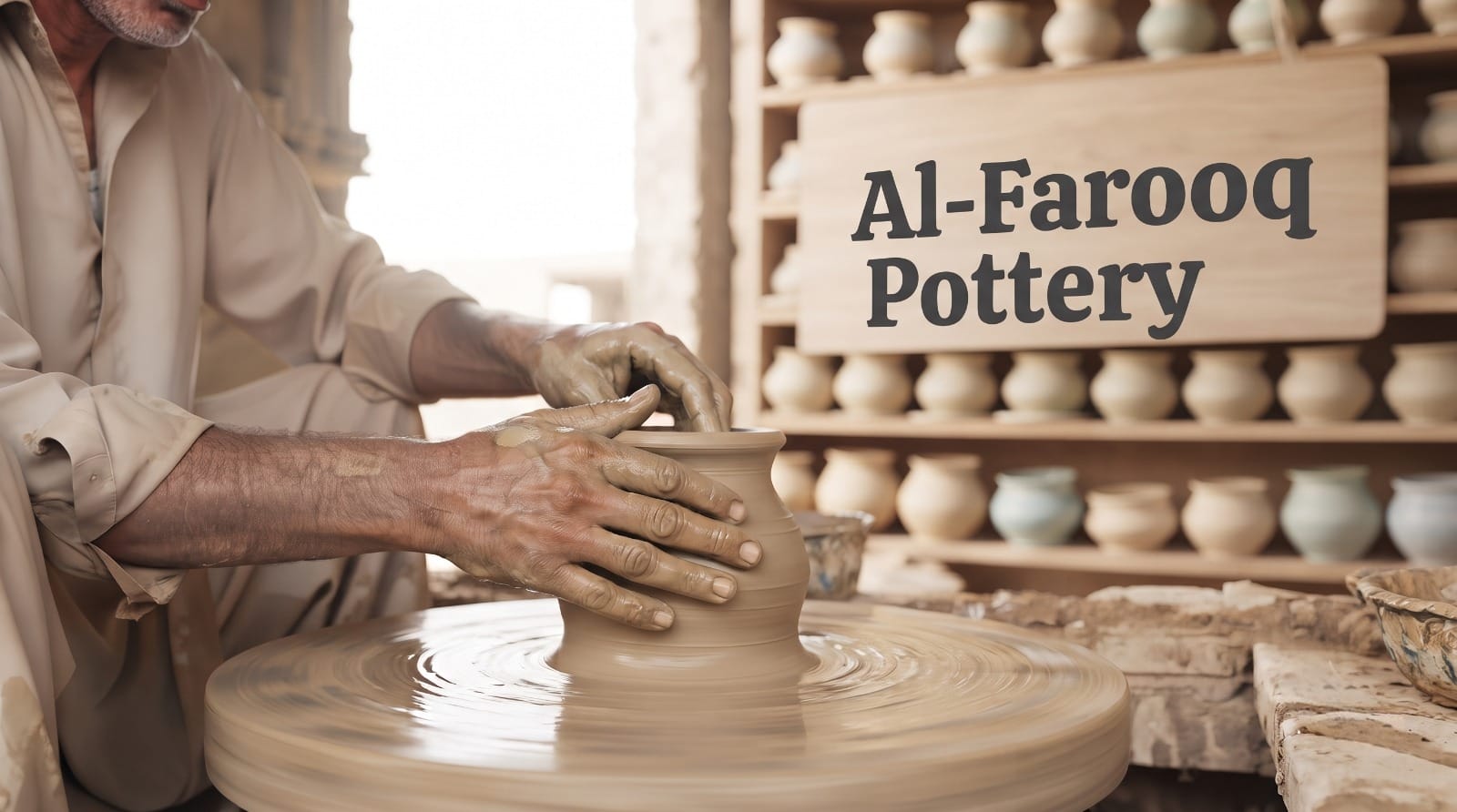
There is something special about cooking in clay. It is not simply about placing a handi on the stove or