No products in the cart.
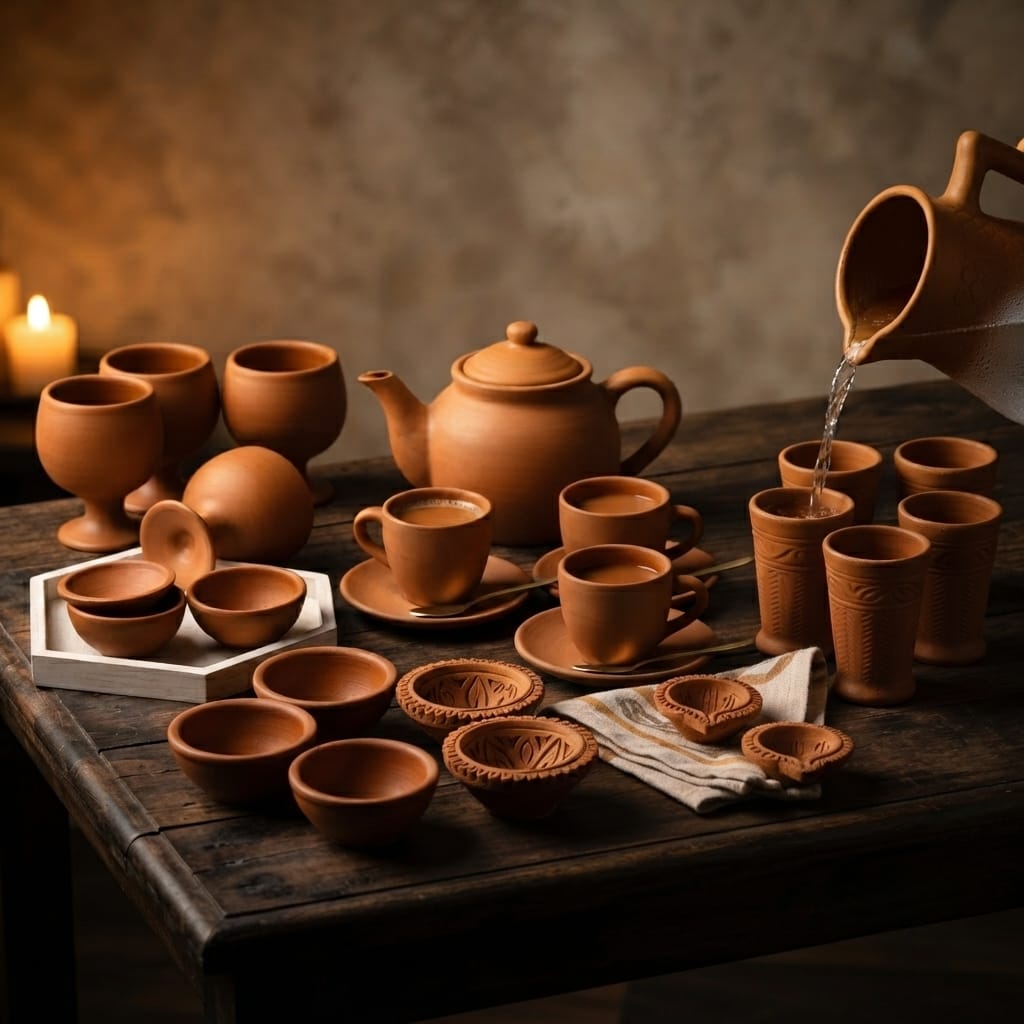
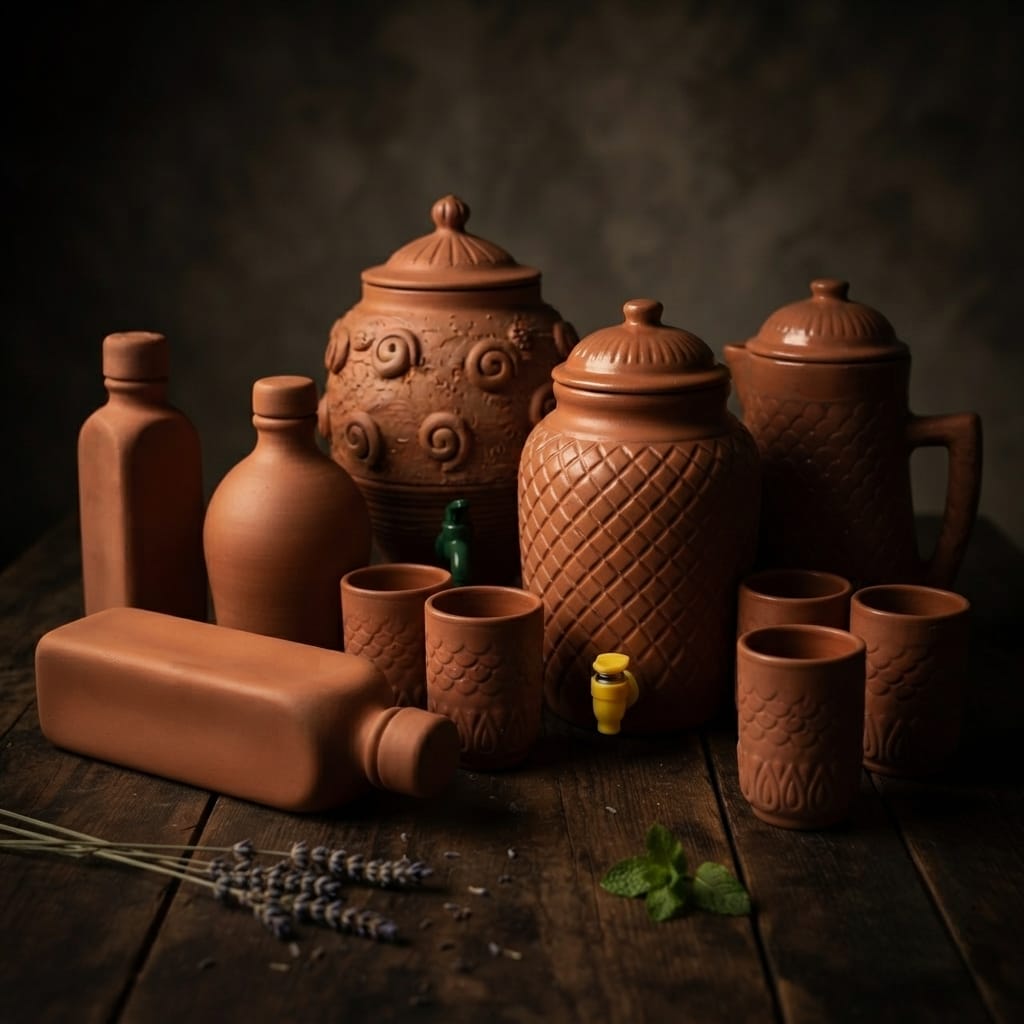
The Art of Cooking in Clay: Why Traditional Cookware Still Matters
There is something deeply comforting about food cooked in clay. Perhaps it is the gentle aroma that fills the kitchen.
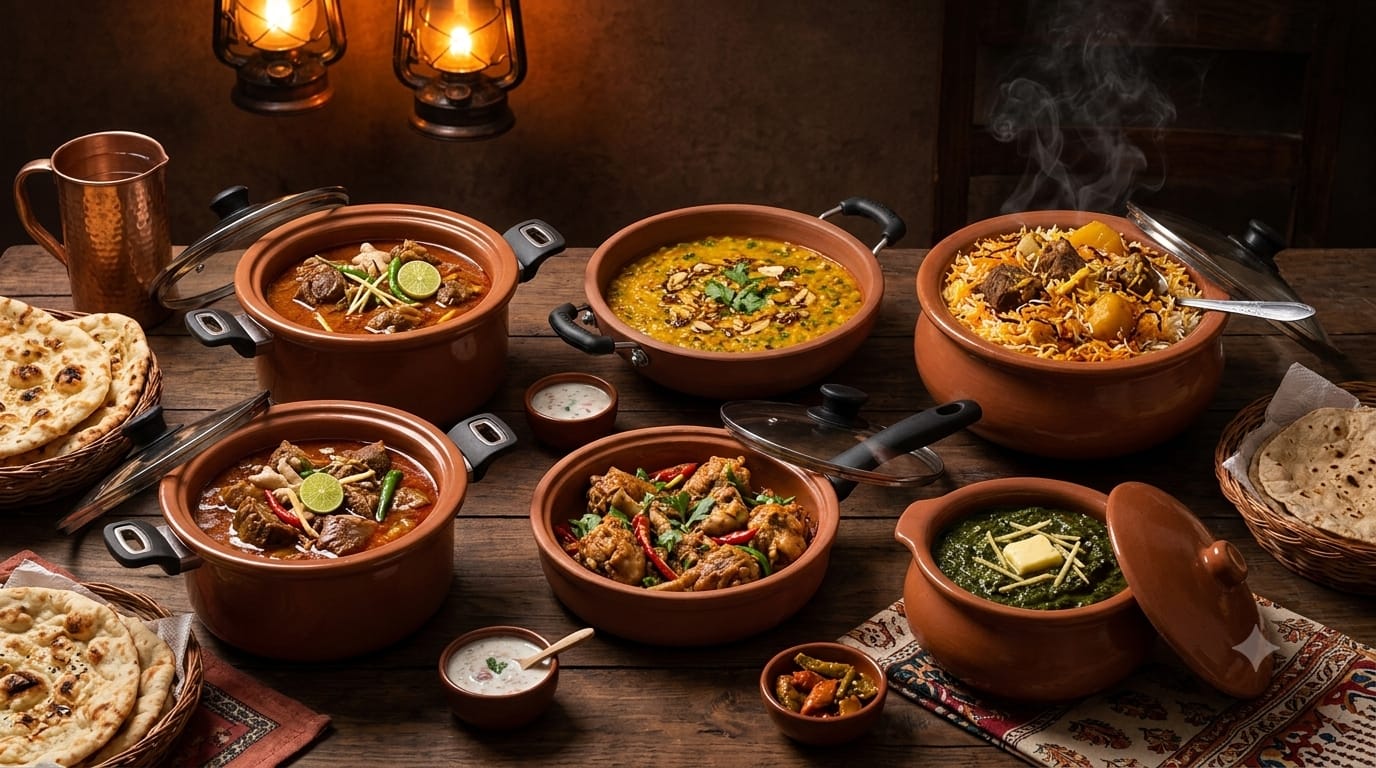
There are some dishes that simply feel different when they are cooked slowly.
The aroma of spices filling the kitchen. The sound of a curry gently simmering. The anticipation as everyone waits for the lid to be lifted.
For generations, Pakistani cooking has been built around this kind of patience. Our most loved dishes often aren’t about complicated techniques or expensive ingredients. They are about allowing simple ingredients, spices and time to do their work.
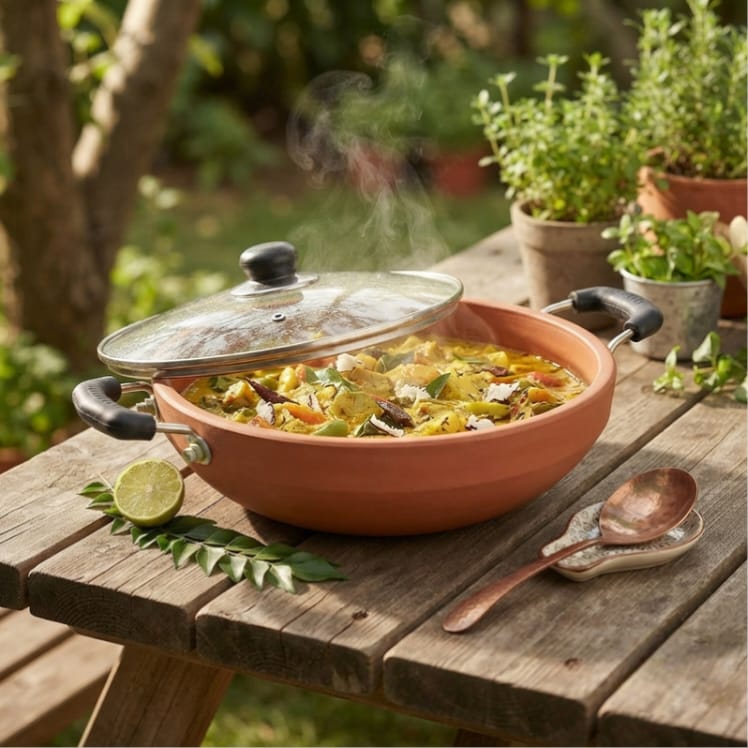
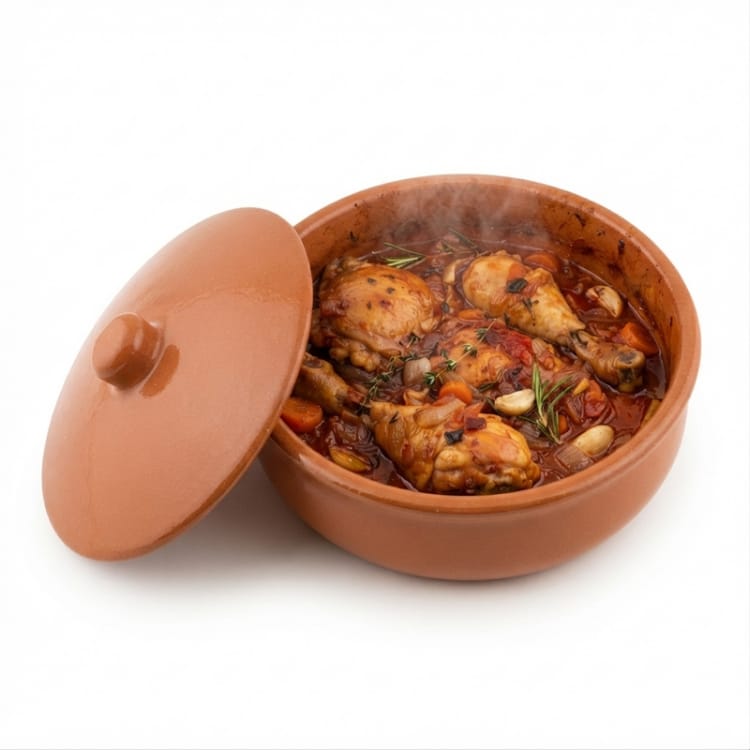
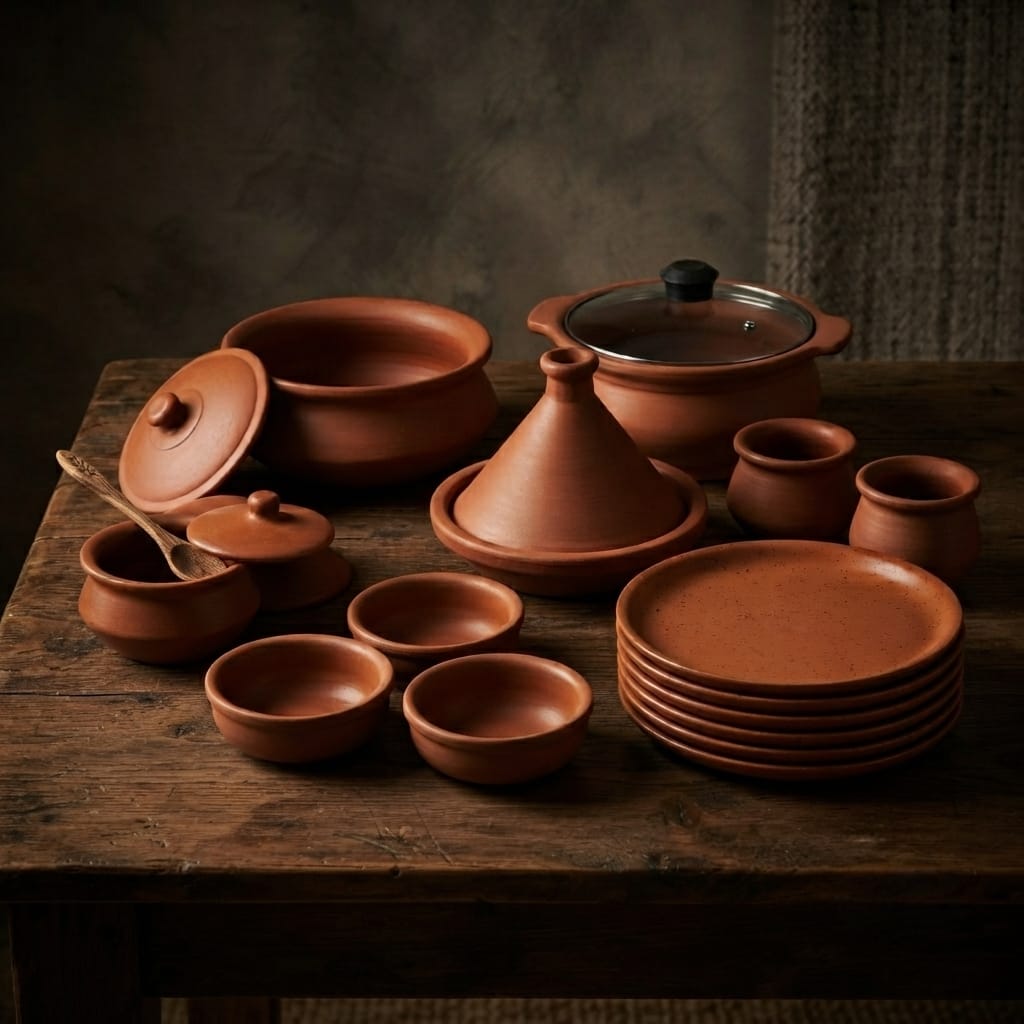
And this is where a clay Handi finds its natural place. Cooking in clay brings an unmistakable sense of tradition to the kitchen. A handmade clay Handi can be used for slow-cooked curries, daals and meat dishes while also bringing the warmth and character of traditional pottery to the table.
If you’re wondering what to cook in a clay Handi and Karahi, here are seven Pakistani dishes that are particularly well suited to the experience.
Few dishes represent Pakistani food quite like mutton karahi.
Tender pieces of mutton, tomatoes, green chillies, ginger and aromatic spices come together to create a dish that is rich, hearty and full of character. Cooking mutton slowly gives the meat time to become tender while the flavours develop together. A clay handi can make this process feel even more traditional, allowing you to take your time rather than rushing the cooking.
The best part? When the mutton is ready, bring the Handi straight to the table, finish it with fresh coriander and ginger, and let everyone serve themselves. Fresh naan on the side is almost mandatory.
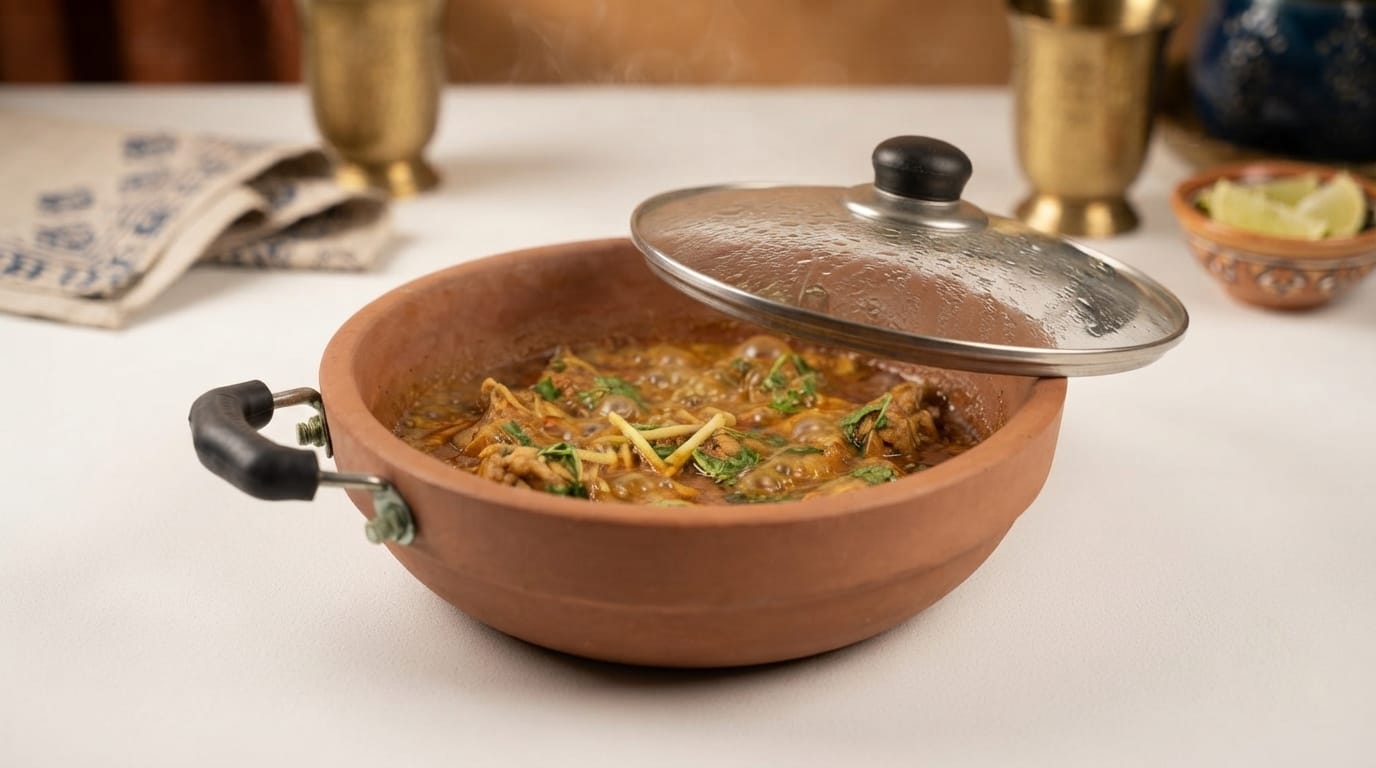
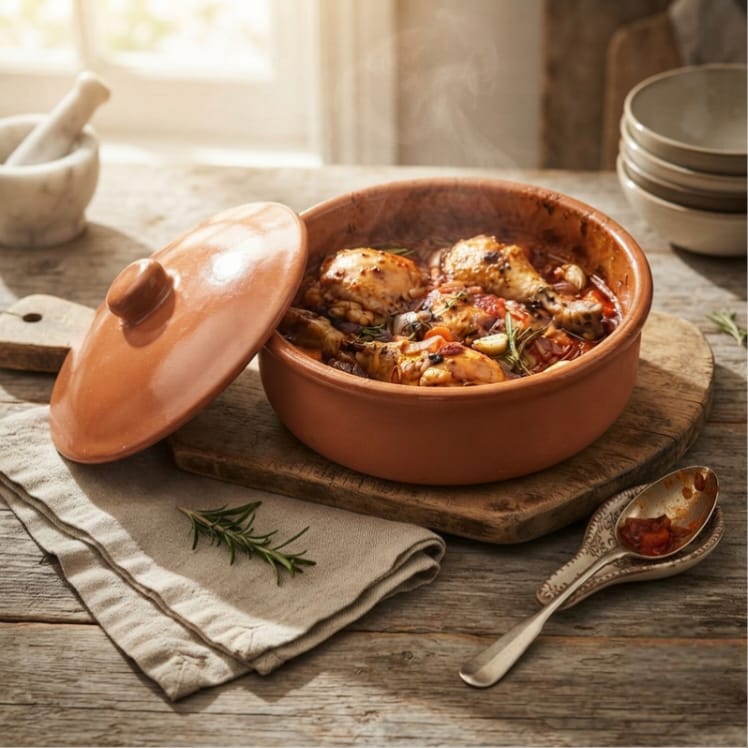
If there is one dish that feels almost made for a clay Handi, it is chicken Handi. Creamy, aromatic and comforting, chicken Handi combines tender chicken with tomatoes, yoghurt, cream and warming spices. It is the kind of meal that turns an ordinary dinner into something worth gathering around the table for.
The gentle cooking process allows the flavors to come together beautifully.
And serving chicken Handi in the same clay vessel in which it was cooked adds another layer to the experience.
It looks rustic. It feels authentic. And most importantly, it feels like home.
Sometimes, the simplest dishes are the most comforting.
A good daal does not need a long list of ingredients. Lentils, spices, garlic, chillies and a little patience can create something deeply satisfying. Cooking daal in a clay pot is a beautiful way to return to the slower style of traditional cooking. The lentils can simmer gently while the spices gradually become part of the dish.
Finish it with a sizzling garlic or cumin tarka, fresh coriander and a squeeze of lemon. Serve with hot roti or rice. Simple food, done beautifully.
Nihari is perhaps the ultimate example of why slow cooking has remained such an important part of Pakistani cuisine.
Traditionally associated with long, slow cooking, nihari is rich, deeply spiced and full of flavour. The meat needs time to become tender, while the spices slowly develop into the characteristic depth that makes nihari so beloved.
A clay handi fits naturally into this style of cooking. The emphasis is not on speed. It is on patience. And when the nihari is finally ready, topped with fresh ginger, green chilies, coriander and a squeeze of lemon, you understand why some recipes simply cannot be rushed.
Few dishes capture the connection between Pakistani food and the seasons quite like saag.
Made with leafy greens and traditionally cooked slowly, saag is humble, hearty and deeply rooted in Punjabi food culture. Preparing saag in a clay handi brings an old-world quality to the process. The greens can be allowed to cook gently until they develop that rich, earthy character associated with traditional saag.
Serve it with makki di roti, a little butter or desi ghee, and perhaps some fresh onion on the side. It is the kind of meal that doesn’t need much explanation. It speaks for itself.
Biryani may not be the first dish that comes to mind when you think about clay cooking, but it is one of the most beautiful ways to use a traditional cooking vessel.
The secret to a memorable biryani is balance — fragrant rice, properly cooked meat, aromatic spices and carefully managed heat. A clay vessel can add a traditional touch to the cooking and serving experience. Once the rice and other ingredients have been layered, the dish can be cooked carefully and allowed to develop its aroma.
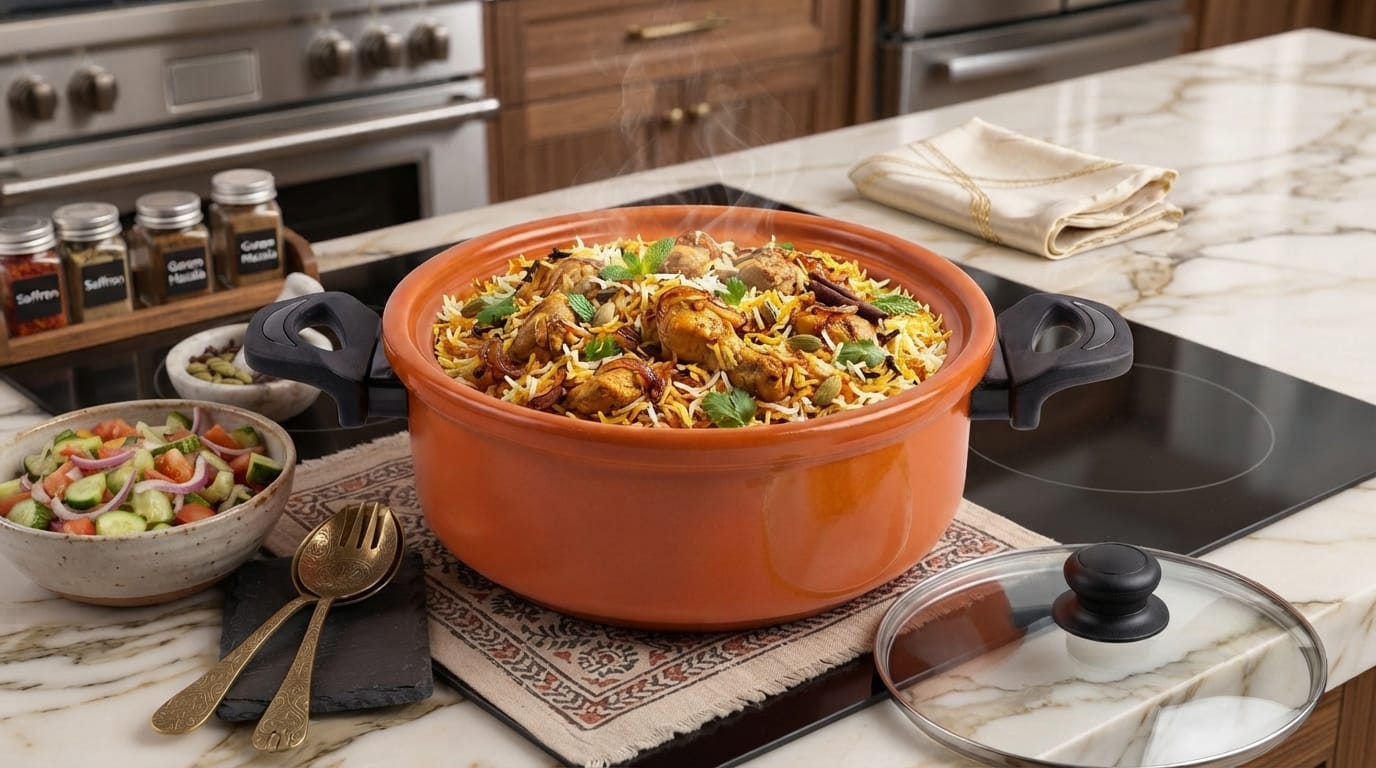
And then comes the best moment. The lid comes off. Steam rises.
The fragrance of saffron, spices, herbs and rice fills the kitchen. Suddenly, everyone knows dinner is ready.
There is something wonderfully nostalgic about aloo gosht.
Tender meat, soft potatoes and a rich, spiced gravy make it one of those dishes that feels equally appropriate for an everyday family meal or a Sunday lunch.
It is also exactly the kind of food that benefits from taking its time.
Slow cooking allows the meat to become tender and gives the potatoes an opportunity to absorb the flavourful gravy. Prepared in a clay handi, aloo gosht becomes even more connected to the traditional cooking experience.
Serve it with fresh roti, naan or steamed rice, and you have the kind of meal that needs no complicated presentation.
There is a common thread running through all seven dishes.
They are dishes that benefit from patience.
A clay handi is particularly suited to cooking styles where food is allowed to simmer gently and flavours have time to develop.
But there is another reason these dishes feel so natural in clay. They are part of our culinary memory.
Many Pakistani recipes have been passed from one generation to another. We may prepare them in modern kitchens today, but the idea behind them remains familiar: good ingredients, careful seasoning and enough time to let everything come together.
A handmade clay handi brings that feeling back. It takes something as ordinary as preparing dinner and turns it into a connection with a much older cooking tradition.
One of the most beautiful things about a clay handi is that it does not have to disappear into the kitchen once the cooking is finished. It can become part of the table.
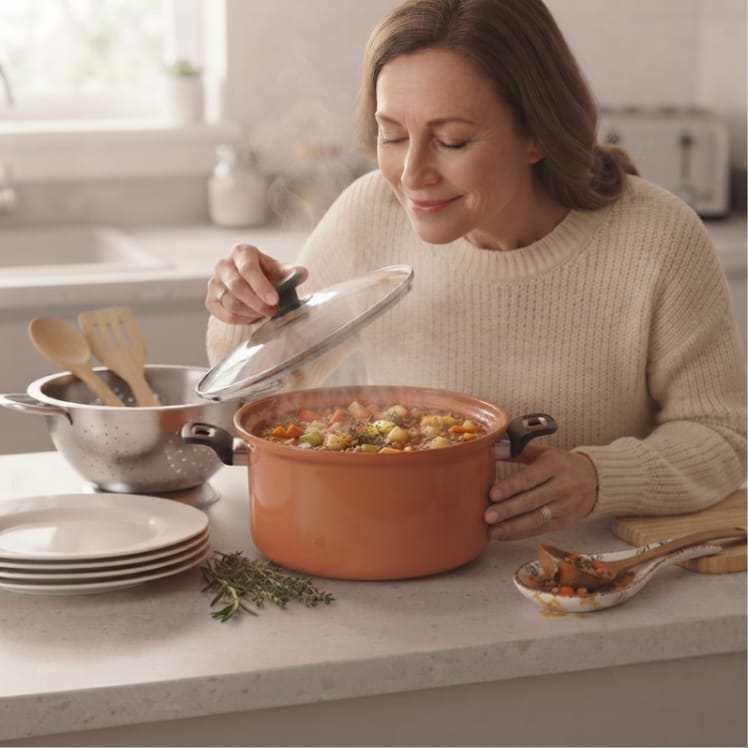
Imagine lifting the lid from a warm handi of chicken, mutton or daal while everyone is waiting for dinner. The food is still warm. The aroma is still present.
And the vessel itself becomes part of the presentation.
That is the charm of traditional clay cookware.
It is functional, but it is also beautiful.
It does not simply hold the food.
It becomes part of the meal.
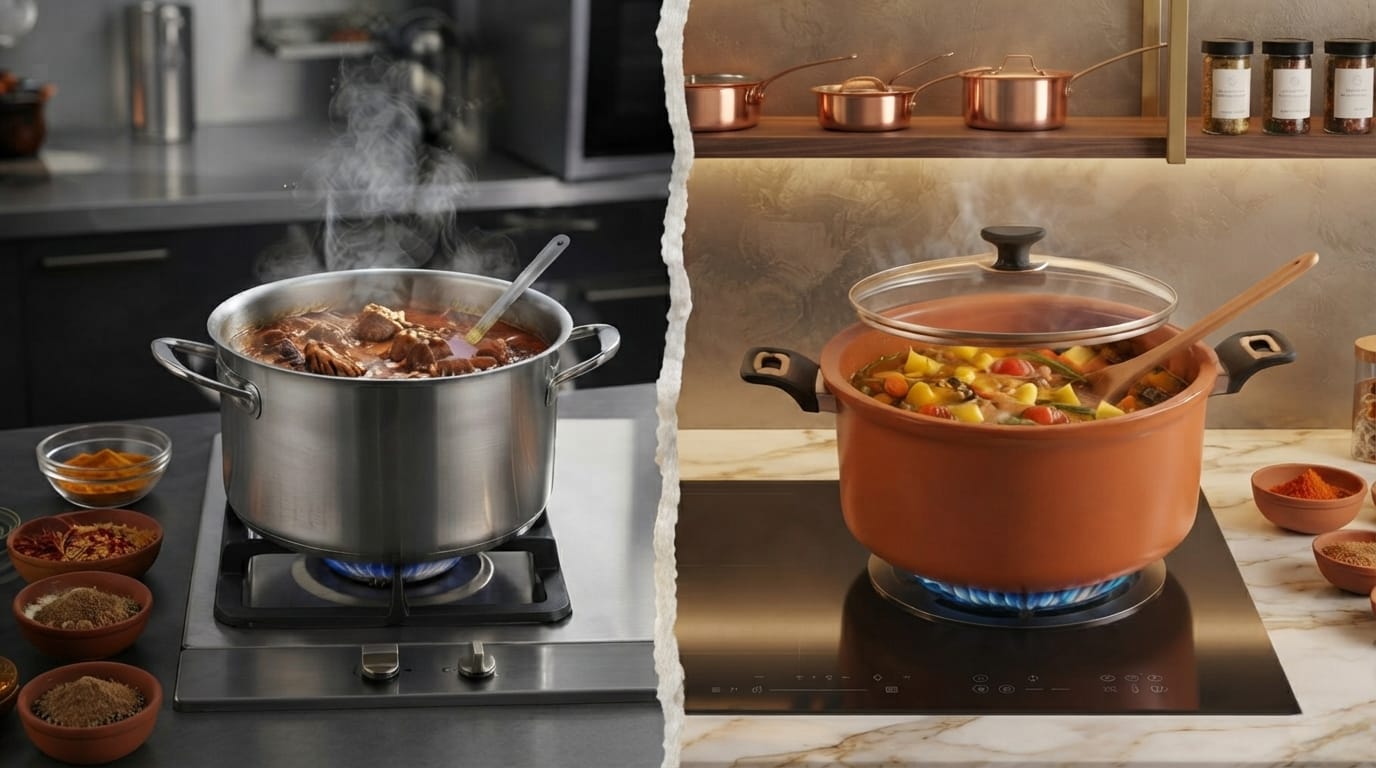
Modern cookware has made cooking faster and more convenient, and there is certainly a place for that.
But there is also something worth preserving in the slower traditions of Pakistani cooking.
A clay handi encourages you to take your time.
To let the food simmer.
To appreciate the aroma.
To gather around the table.
And perhaps most importantly, to remember that cooking has always been about more than simply feeding ourselves.
It is about sharing.
It is about heritage.
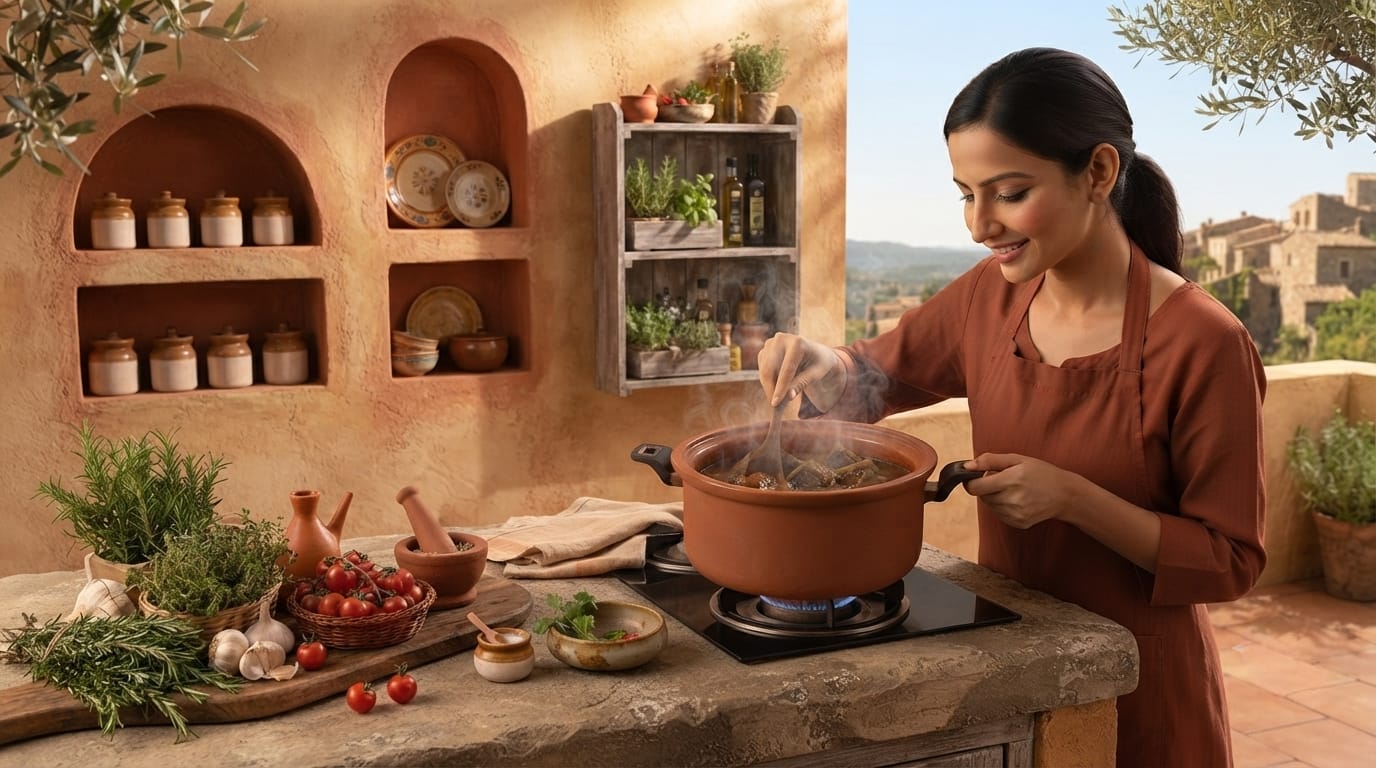
It is about the recipes we remember from home and the ones we hope to pass on.
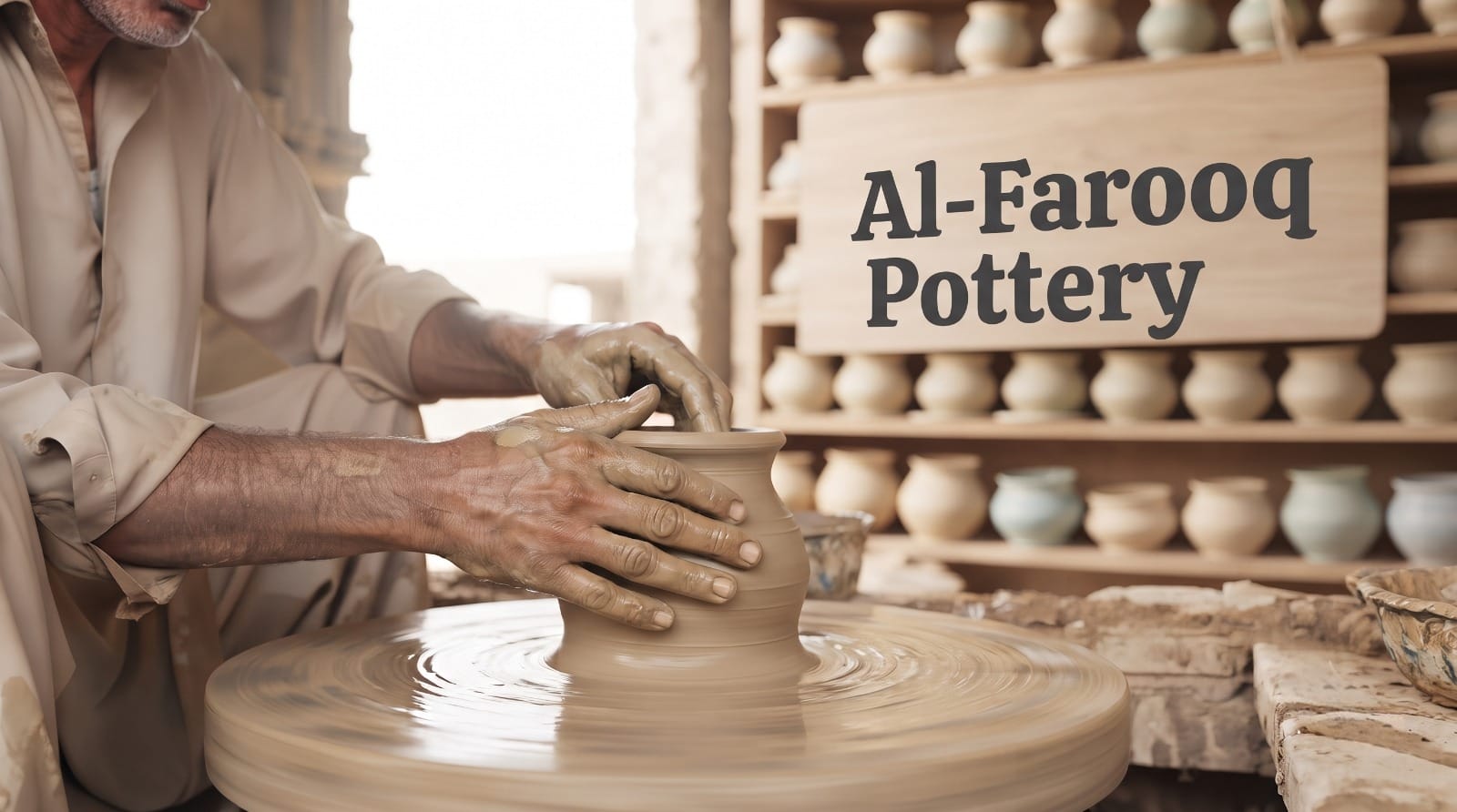
At Al-Farooq Pottery, we create handmade clay cookware inspired by this timeless relationship between earth, fire and food.
Whether it is a rich mutton karahi, comforting daal, slow-cooked nihari or a simple aloo gosht, a clay handi brings a sense of tradition to the experience.
Because some recipes are not meant to be rushed.
They are meant to be savored.
A clay Handi and Karahi can be used for many dishes that benefit from gentle, slower cooking, including chicken Handi, chicken karahi daal, nihari, saag, aloo gosht and various curries and stews.
Yes. Traditional Pakistani cuisine includes many slow-cooked dishes that pair naturally with the cooking experience offered by clay cookware.
A clay vessel can be used for biryani when the particular cookware is suitable for the cooking method and is used according to the manufacturer’s instructions. Always follow the care and heat guidelines for your specific clay handi.
Dishes such as curries, daal, stews, nihari, chicken Handi and aloo gosht are particularly suitable because they benefit from gradual, gentle cooking.
Clay cookware is valued for the traditional cooking experience it provides. Its heat-retention characteristics and gradual cooking process can be particularly enjoyable for dishes that are allowed to simmer slowly.
There is something deeply comforting about food cooked in clay. Perhaps it is the gentle aroma that fills the kitchen.
There is something special about cooking in clay. It is not simply about placing a handi on the stove or